Fake Wheel Bearings: Neutral Buyer Checks from Verified Global Supplier
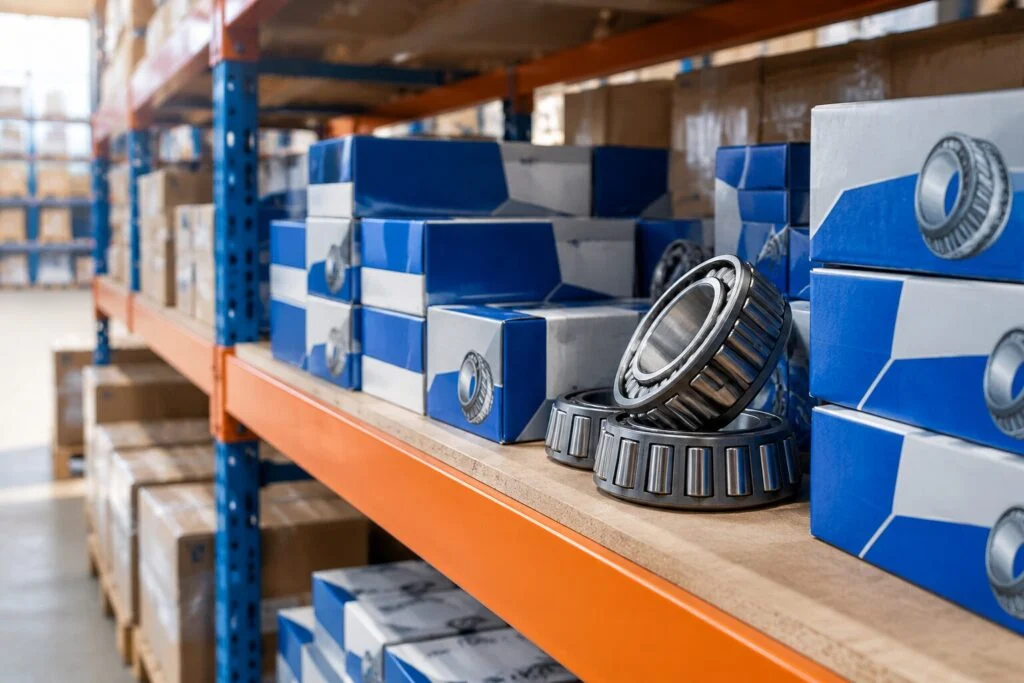
Glossy boxes often indicate fakes; genuine packaging is modest.
Neutral buyers must verify traceability and physically inspect inner rings to avoid catastrophic hub failures from counterfeit wheel bearings. Relying solely on external packaging or brand reputation without internal verification exposes supply chains to significant risk, as counterfeiters increasingly mimic visual branding while compromising structural integrity.
The distinction between authentic and counterfeit components is not always visible at first glance. In the aftermarket sector, the pressure to reduce costs often leads distributors to source from channels that lack rigorous quality control. This creates a vulnerability where fake wheel bearings enter the supply chain, disguised by professional-looking labels but failing under load. The core issue lies in the materials used for the cage and the precision of the inner ring machining. A neutral buyer, acting as an intermediary between manufacturers and end-users, bears the responsibility of filtering these risks before they reach the field. Without direct access to the original manufacturer’s production facilities, the buyer must rely on documentary evidence and physical inspection protocols that go beyond surface-level aesthetics.
Packaging Deception and Material Reality
Shiny packaging is a common tactic used by counterfeiters to distract from inferior internal components.
Many buyers assume that high-quality printing and robust boxing guarantee authenticity. However, experience in the trade reveals that genuine manufacturers often prioritize functional protection over aesthetic appeal. The cardboard may be plain, and the labeling straightforward, focusing on part numbers and batch codes rather than marketing graphics. Counterfeit operations, conversely, invest heavily in replicating the visual identity of premium brands to create a false sense of security.
The real test lies in the material composition of the bearing itself. A notable case involved a mixed container shipped to a regional distributor. The buyer focused entirely on the external presentation, noting the correct logos and holographic stickers. Six months later, reports of hub failures began to emerge from the field. Upon tearing down the returned units, the root cause was identified: the cages were made of brittle plastic rather than the specified stamped steel or high-grade polymer. This material substitution drastically reduced the load-bearing capacity and heat resistance of the assembly.
| Inspection Point | Genuine Component Characteristics | Counterfeit Component Characteristics |
|---|---|---|
| Packaging Aesthetics | Modest, functional, focus on data | Glossy, overly branded, marketing-heavy |
| Cage Material | Stamped steel or engineered polymer | Brittle plastic or low-grade composite |
| Label Information | Clear batch codes, traceable IDs | Generic or missing batch information |
This discrepancy highlights why fake wheel bearings are dangerous not just because they fail, but because they fail unpredictably. The brittle plastic cages cannot withstand the thermal expansion and contraction cycles typical in automotive applications. For a neutral buyer, this means that visual inspection of the packaging is insufficient. One must request samples for destructive testing or require detailed material certifications that specify the cage composition. [NEED_CITE: industry standards for bearing cage materials and performance requirements]
Machining Marks and Visual Spin Tests
Precision machining leaves specific signatures that counterfeiters struggle to replicate consistently.
The inner ring of a wheel bearing undergoes rigorous grinding and honing processes to achieve the necessary surface finish and geometric accuracy. These processes leave subtle but identifiable marks. Genuine bearings exhibit uniform, fine machining lines that indicate controlled manufacturing conditions. In contrast, counterfeit units often show irregular patterns, tool chatter, or inconsistent finishes due to the use of worn or inferior machinery.
A practical method for initial screening is the visual spin test. While not a substitute for laboratory analysis, it provides immediate feedback on the quality of the assembly. When spun by hand, a genuine bearing should rotate smoothly with minimal resistance and no audible grinding. Counterfeit bearings may feel gritty, exhibit uneven resistance, or produce a distinct humming noise due to poor raceway geometry or contaminated lubricants.
In one instance, a batch of bearings failed this basic test. Approximately half of the units exhibited noticeable roughness during manual rotation. Further investigation revealed that the raceways had not been properly honed, leading to premature wear. This percentage of failure in a single batch underscores the inconsistency inherent in counterfeit production. [NEED_CITE: data on visual inspection failure rates in non-certified supply chains]
For neutral buyers, implementing a routine spin test on random samples from each shipment can serve as an effective filter. It requires no specialized equipment and can be performed by warehouse staff with minimal training. If a significant number of units fail this simple check, the entire batch should be quarantined for further analysis. This proactive approach prevents defective fake wheel bearings from reaching customers who lack the technical expertise to identify them upon receipt.
Traceability Documentation as a Defense Layer
Verifying documents pre-shipment saves considerable time compared to post-failure claims.
Traceability is the backbone of quality assurance in the bearing industry. Genuine products come with a chain of documentation that links the specific unit back to its production batch, material source, and quality control records. This includes certificates of conformity, material test reports, and sometimes even individual serial numbers for high-value items. Counterfeiters often forge these documents, but careful scrutiny can reveal inconsistencies.
Key elements to verify include:
- Batch Numbers: Ensure the batch number on the packaging matches the certificate.
- Material Grades: Confirm that the stated steel grade aligns with industry standards for the specific bearing type.
- Manufacturer Signatures: Verify that the certificates bear valid signatures or digital stamps from the authorized manufacturer.
A European wind farm operator once faced extended downtime due to a batch of bearings that lacked proper traceability. When failures occurred, the absence of verifiable docs meant they could not claim warranty support or identify the root cause quickly. The lead time saved by verifying these documents before shipment is substantial, avoiding the logistical nightmare of returns and replacements. [NEED_CITE: impact of traceability on maintenance lead times and warranty claims]
Neutral buyers should establish a protocol where no shipment is released without accompanying traceability documentation. This does not mean accepting any paper provided; it requires cross-referencing with known formats from the original manufacturers. If a supplier cannot provide consistent, verifiable docs, it is a strong indicator that the goods may be fake wheel bearings.
Acoustic Testing and Cage Verification
Listening to the bearing can reveal internal defects that visual checks miss.
Beyond the manual spin test, acoustic testing offers a more sensitive method for detecting internal flaws. Specialized microphones or stethoscopes can pick up subtle irregularities in the sound profile of a rotating bearing. Genuine bearings produce a consistent, low-level hum. Counterfeit units may emit clicking, scraping, or irregular whining noises, indicating issues with ball alignment, cage interference, or surface defects.
Cage material verification is another critical step. As noted earlier, the cage plays a vital role in maintaining ball spacing and reducing friction. Genuine cages are made from materials selected for their strength, weight, and thermal properties. Counterfeiters often substitute cheaper, weaker materials that look similar but perform poorly under stress.
| Test Method | Indicator of Quality | Indicator of Counterfeit |
|---|---|---|
| Acoustic Spin | Consistent, low-level hum | Clicking, scraping, irregular whine |
| Cage Inspection | Uniform material, precise fit | Brittle texture, uneven molding |
| Weight Check | Consistent with spec sheet | Significant deviation (lighter/heavier) |
While weight alone is not a definitive indicator, significant deviations can signal material substitutions. However, internal cage material dictates lifespan more than overall weight. A neutral buyer should combine acoustic testing with physical inspection of the cage material. If possible, request a sample unit for destructive analysis to confirm the material composition. This multi-layered approach ensures that fake wheel bearings are identified before they enter the inventory.
Conclusion
Verification is cheaper than replacement.
Avoiding fake wheel bearings requires a shift from passive acceptance to active verification. Neutral buyers must look beyond glossy packaging and focus on traceability, machining marks, and material integrity. By implementing rigorous checks such as spin tests, document verification, and acoustic analysis, distributors can protect their reputation and their clients’ operations. The cost of these preventive measures is negligible compared to the financial and operational impact of field failures.