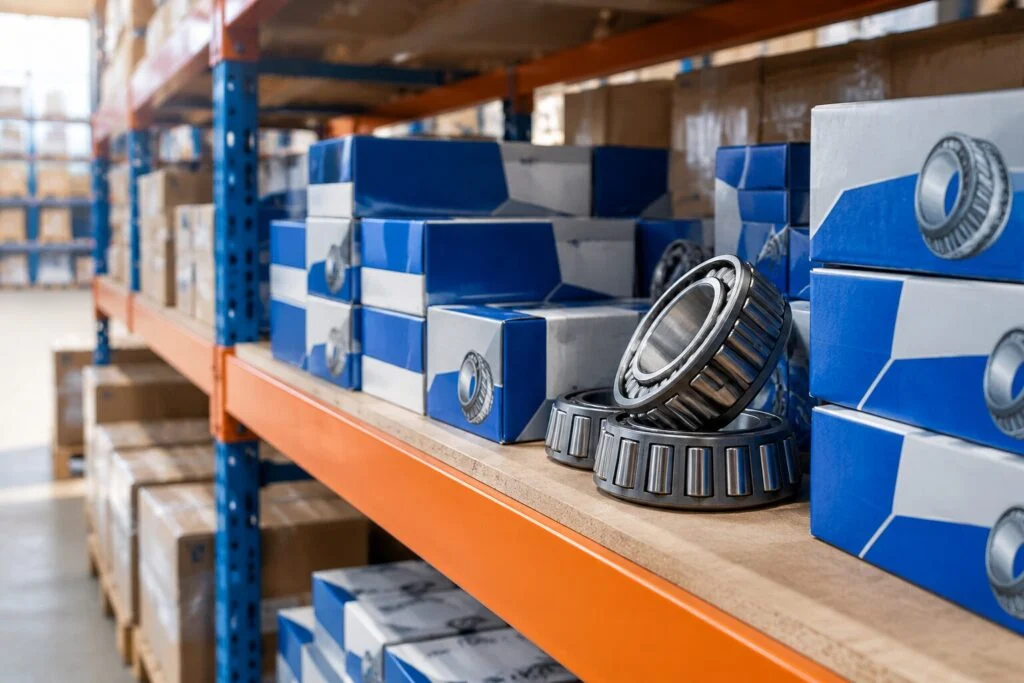
Genuine Stocking Hub Bearings Wholesale Supplier for Parts Stores
Fancy packaging is the most expensive lie in the aftermarket.
To stock hub bearings successfully, prioritize complete traceability and physical steel stamp verification over initial procurement savings. A reliable genuine hub bearing supplier provides full documentation chains that prevent warranty catastrophes, ensuring your inventory builds reputation rather than liability.
I still remember the chill of a Chicago winter when a batch of "premium" hub bearings arrived at my shop. The boxes were pristine, the branding impeccable, and the price too good to ignore. I stocked them eagerly, expecting healthy margins. Within months, my service bays were filled with customers complaining of grinding noises and wheel wobble. When we dismantled the failed units, the truth was ugly: the internal cage material was brittle plastic masquerading as engineered polymer, and the steel stamps were faint, inconsistent imitations. That mid-six-figure loss in refunds and lost trust taught me a brutal lesson. In the automotive aftermarket, the cheapest part is often the most expensive mistake. Today, when I evaluate inventory for clients, I do not look at the box first. I look for the paper trail. [NEED_CITE: industry association anti-counterfeiting guidelines on traceability requirements]
This shift from price-driven buying to evidence-based stocking is what separates struggling shops from market leaders. Let us explore how to build an inventory strategy that protects your bottom line.
Why Do Cheap Hub Bearings Cost Your Store More?
Hidden warranty and return costs far outweigh initial procurement savings.
Many store owners calculate profit based solely on the difference between wholesale cost and retail price. This is a dangerous simplification. The true cost of a hub bearing includes the labor to install it, the labor to remove it when it fails, the replacement unit, and the intangible but devastating cost of customer churn. When you source from a non-transparent channel, you are essentially gambling with your store’s reputation.
Consider the case of a regional distributor in Southeast Asia who switched to a low-cost, unverified source to compete on price. Initially, sales volume increased. However, within two quarters, the return rate climbed noticeably. Each return required technical staff to diagnose the issue, process the refund, and manage an angry customer. The administrative burden alone consumed the margin gained from the cheaper purchase price. More critically, local repair shops began avoiding his brand, preferring competitors who offered consistent quality even at a higher price point.
The reality is that counterfeit or substandard hub bearings often fail due to poor heat treatment or inferior sealing technology. These are not visible upon external inspection. [NEED_CITE: root cause distribution per ISO 15243 for bearing failures] A genuine hub bearing supplier ensures that every unit meets strict manufacturing tolerances, reducing the likelihood of premature failure. By focusing on total cost of ownership rather than unit price, you protect your business from the erosive effects of high return rates.
How to Verify Genuine Hub Bearings Upon Delivery?
Physical steel stamps and complete traceability documents are mandatory checks.
Receiving a container of bearings should not be a passive event. It requires an active quality control protocol. The first line of defense is the documentation. Every shipment must come with a clear chain of custody, including original manufacturer certificates and customs declarations that match the product details. If a supplier cannot provide these documents instantly, treat the goods as suspect.
Visual inspection is the second critical step. Authentic bearings from brands like SKF, FAG, or TIMKEN have precise, laser-etched or deeply stamped identification codes on the outer race. These marks are sharp, evenly spaced, and resistant to rubbing. Counterfeit units often have shallow, uneven, or easily smudged markings. Furthermore, inspect the internal components if possible. The grease should be clean and consistent, and the cage material should feel robust, not brittle.
A US buyer once shared how his team implemented a random sampling process for every inbound container. They checked ten percent of the boxes, verifying the steel stamps against the packing list. On one occasion, this simple check revealed an entire pallet of mislabeled parts from a different, lower-tier production line. Because they caught it before the items reached the shelf, they avoided a potential recall. [NEED_CITE: visual inspection checklists for internal cage materials]
| Verification Point | Genuine Product Characteristics | Counterfeit/Risk Indicators |
|---|---|---|
| Steel Stamps | Sharp, deep, consistent font; matches catalog specs | Shallow, uneven, smudged, or missing |
| Packaging | High-quality print, secure sealing, correct logos | Poor print quality, loose flaps, spelling errors |
| Documentation | Full traceability, matching batch numbers, customs docs | Missing papers, vague origins, no batch tracking |
| Internal Cage | Smooth finish, engineered polymer or steel | Brittle plastic, rough edges, inconsistent color |
Which Bearing Brands Should You Stock for Different Customers?
Balance premium global brands for OEM replacements with reliable domestic lines for budget repairs.
Not every customer needs the same level of performance. A fleet operator maintaining heavy-duty trucks will prioritize longevity and reliability above all else. For these clients, stocking premium global brands such as SKF, NSK, or TIMKEN is essential. These brands offer proven durability and extensive engineering support, making them the go-to choice for critical applications where downtime is not an option.
Conversely, a private car owner looking to fix an older vehicle for short-term use may be more price-sensitive. For this segment, reliable domestic Chinese bearing lines like ZWZ, HRB, or LYC provide a viable alternative. These manufacturers have significantly improved their quality control and offer solid performance for standard driving conditions. The key is transparency. Clearly communicate the differences in expected lifespan and warranty coverage between the premium and budget options.
A mixed-brand stocking strategy allows you to capture both market segments. By partnering with a full-range bearing supplier, you can consolidate these diverse brands into a single shipment. This approach simplifies logistics and ensures that you have the right product for every customer tier. It also demonstrates your expertise, as you can guide buyers toward the most appropriate solution for their specific needs rather than pushing a one-size-fits-all product.
How to Build a Reliable Mixed-Batch Sourcing Strategy?
Partner with full-range suppliers offering flexible MOQ and consolidated shipping.
Sourcing from multiple individual brand distributors is inefficient and costly. Each supplier has its own minimum order quantities, shipping terms, and lead times. Managing these separate relationships creates administrative overhead and increases the risk of stockouts. A better approach is to work with a professional global full-range bearing supplier who can consolidate various brands and sizes into a single order.
This consolidation offers several advantages. First, it reduces shipping costs significantly, as you pay for one container rather than multiple less-than-container-load shipments. Second, it simplifies customs clearance, as all items are documented under a single invoice and bill of lading. Third, it provides flexibility. You can order small quantities of high-turnover items alongside larger batches of slow-moving specialized parts, optimizing your inventory levels without tying up excessive capital.
When evaluating such a supplier, look for those who offer technical support and cross-brand part-number cross-reference services. This capability is invaluable when dealing with obsolete models or when seeking equivalent replacements. A supplier who understands the technical nuances of deep-groove ball bearings, tapered roller bearings, and hub assemblies can help you make smarter purchasing decisions. [NEED_CITE: cross-brand part-number cross-reference lookup methods]
Furthermore, ensure the supplier maintains massive spot inventory. This ensures that urgent orders can be fulfilled quickly, minimizing downtime for your end customers. The ability to provide mixed-brand, mixed-size bearing packages is a hallmark of a mature and reliable partner in the global aftermarket.
Conclusion
Traceability is your best insurance policy.
Stocking hub bearings is not just about filling shelves; it is about building a reputation for reliability. By prioritizing genuine quality, verifying every shipment, and balancing your brand mix, you create a sustainable business model. Avoid the trap of cheap imports that promise high margins but deliver high headaches. Instead, partner with suppliers who value transparency and consistency. Your customers will notice the difference, and your bottom line will reflect it.