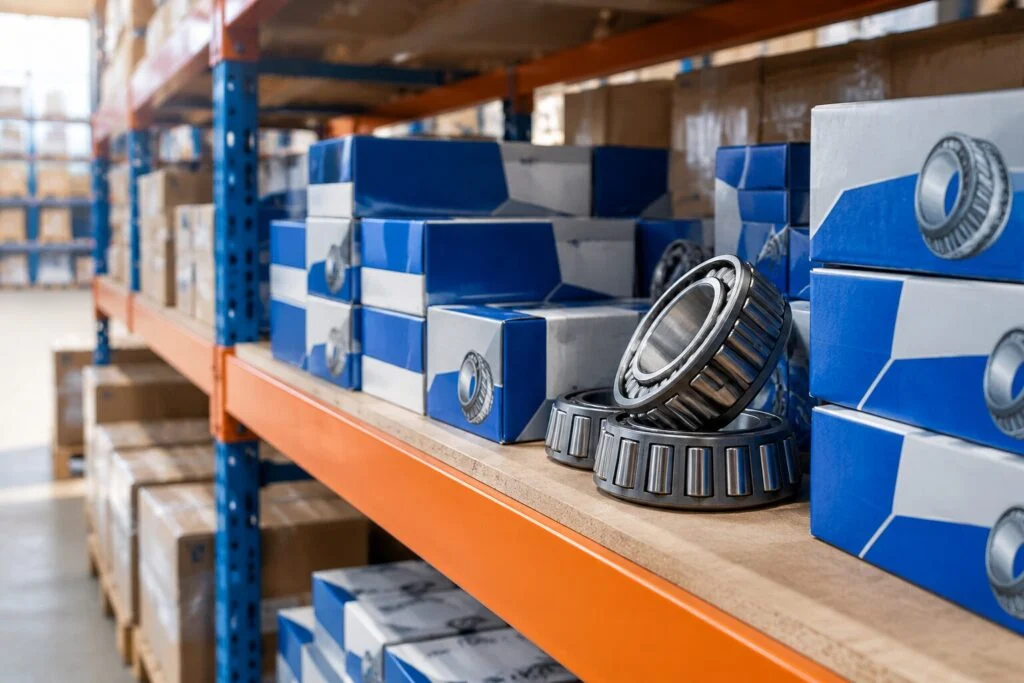
Stocking CV Joints for Parts Stores: Wholesale Supplier
The lowest unit price on a CV joint is often the most expensive line item on your P&L statement.
Stocking CV joints for parts stores requires evaluating internal component quality, material hardness, and seal matching rather than just unit price to minimize warranty claims. A reliable CV joint wholesale supplier provides traceability and technical specifications that allow retailers to avoid the high return rates associated with substandard aftermarket parts.
I still remember the smell of burnt grease and the frustration in a local repair shop manager’s voice. He had stocked a batch of budget constant velocity joints, attracted by the margin. Within months, his phone rang constantly with complaints about clicking noises during turns. We pulled one apart. The tri-pod surface was pitted, the cage showed premature wear, and the grease had separated. It wasn’t bad luck; it was a fundamental mismatch between material hardness and operational stress. This experience shifted my focus from simple procurement to technical verification. When you source from a CV joint wholesale supplier, you are not just buying metal; you are buying the engineering integrity that keeps a vehicle on the road and your store’s reputation intact. [NEED_CITE: common failure modes in aftermarket CV joints]
Understanding these mechanical realities is the first step in curating an inventory that sells itself through reliability rather than just low cost.
Why Do Cheap CV Joints Fail in Real-World Driving?
Early noise and vibration are rarely random; they are the direct result of compromised internal material properties.
Most buyers look at the outer shell finish or the packaging. However, the real failure point lies in the hardness of the tri-pod and the quality of the internal bearings. When a CV joint rotates, especially under load during acceleration or turning, the rollers press against the tri-pod tracks. If the surface hardness is insufficient, microscopic deformation occurs rapidly. This creates play, which translates into the dreaded "clicking" sound that drivers hear. [NEED_CITE: relationship between surface hardness and wear resistance in automotive components]
A Middle Eastern distributor once shared a case where his return rate dropped noticeably after he stopped sourcing the cheapest options and started verifying hardness specs. He switched to joints with properly hardened tri-pods. The difference was not immediate in sales volume, but the silence from his mechanic clients was deafening. No more returns meant no more lost labor costs and no more damaged trust.
The grease inside also plays a critical role. Low-quality lubricants break down under high temperatures, losing their ability to protect the metal surfaces. This leads to accelerated wear and eventual seizure. A competent CV joint wholesale supplier will provide data on the grease dropping point and NLGI grade, ensuring the lubricant can withstand the thermal cycles of modern driving conditions. Without this data, you are guessing. And in the auto parts business, guessing is expensive.
Focusing on these internal details separates a professional inventory from a bargain bin.
What Internal Specs Should Parts Stores Check Before Stocking?
A specification matrix is your best defense against subjective quality claims from manufacturers.
Before placing a bulk order, you need objective criteria. Relying on brand names alone is not enough, especially in the aftermarket sector where branding can be inconsistent. You must compare specific technical parameters. The following table outlines the key differentiators between standard and premium aftermarket CV joints.
| Specification | Standard Aftermarket | Premium Aftermarket | Impact on Performance |
|---|---|---|---|
| Tri-pod Hardness | Basic hardening | Controlled high-hardness treatment | Noticeably reduced wear and noise |
| Cage Material | Standard steel | High-grade alloy steel | Robust resistance to deformation |
| Boot Material | Basic rubber | High-tensile strength thermoplastic | Extended seal lifespan and leak resistance |
| Grease Quality | General purpose | High-temperature stable formula | Verifiable thermal stability |
| Traceability | Limited or none | Full batch-level documentation | Reliable quality control and accountability |
[NEED_CITE: industry standards for automotive constant velocity joint materials]
When I evaluate a new line, I do not just look at the catalog. I request samples. I check the boot material tensile strength. A weak boot will crack in cold weather or degrade under UV exposure, leading to grease leaks. Once the grease escapes, the joint is doomed. Using matched boot and clamp kits is essential. A CV joint wholesale supplier who offers these as part of the package demonstrates an understanding of the complete system, not just the metal parts.
A European repair group reported that their seal lifespan extended by several months simply by switching to suppliers who provided high-quality, matched boot kits. This small detail reduced the frequency of comebacks significantly. It is not just about the joint spinning; it is about the joint staying sealed.
These specs form the backbone of a profitable inventory strategy.
How to Balance Unit Price and Long-Term Profitability?
Total cost of ownership matters far more than the initial wholesale price per unit.
It is counter-intuitive for many new store owners. They see a lower price and calculate higher margins. But they fail to account for the hidden costs of returns. Processing a warranty claim involves shipping, administrative time, and potentially compensating the customer for their inconvenience. If a cheap joint fails, the profit from that sale is wiped out, and often, the profit from several other sales is consumed to cover the loss. [NEED_CITE: impact of warranty claims on aftermarket retailer profitability]
I have seen stores that switched to a slightly higher-priced but more reliable source. Their initial gross margin percentage dipped slightly. However, their net profit increased because the return rate dropped to near zero. The staff spent less time handling complaints and more time selling. The reputation of the store improved, leading to higher customer retention.
When negotiating with a CV joint wholesale supplier, ask about their quality control processes. Do they test every batch? Do they have ISO-compliant quality assurance? These questions help you assess the risk. A supplier with robust QC may charge a bit more, but they save you from the volatility of inconsistent quality.
Consider the scenario of a busy workshop during peak season. If a part fails, the mechanic has to redo the job. This delays other customers and strains the relationship between the shop and the driver. The shop then blames the parts store. By stocking reliable joints, you become a partner in their efficiency, not a source of their headaches. This intangible value translates into long-term loyalty and larger orders.
Profitability is a marathon, not a sprint, and quality is the pacing strategy.
Which CV Joint Brands Offer the Best Resale Value?
Brand recognition drives initial sales, but consistent performance drives repeat business.
In the aftermarket, there are tiers of brands. Premium global brands offer high recognition and trust. They are easier to sell but often come with lower margins due to strict pricing controls. Reliable aftermarket lines offer a balance. They provide good performance at a competitive price point, allowing for better margins while maintaining acceptable quality. [NEED_CITE: market segmentation in the automotive aftermarket parts industry]
For parts stores, it is crucial to have a mix. Some customers want the best regardless of price. Others are price-sensitive but still need reliability. A versatile CV joint wholesale supplier can provide access to both tiers. They can offer genuine products from established manufacturers as well as high-quality private label or secondary brand options that meet strict specifications.
I recall a case in Southeast Asia where a distributor expanded their range to include a mid-tier brand that offered excellent value. They marketed it as a "professional grade" alternative to the top-tier brands. The feedback from mechanics was positive. The joints performed well, and the price allowed the shops to offer competitive repair quotes. This strategy helped them capture a larger segment of the market without compromising their reputation for quality.
When selecting brands, look for those that invest in R&D and have a history of consistency. Avoid brands that frequently change specifications or sources. Consistency is key to building trust with your B2B clients. A CV joint wholesale supplier with a broad portfolio allows you to tailor your offering to different customer segments, maximizing your market reach.
Choosing the right mix of brands ensures you meet diverse customer needs effectively.
Conclusion
Quality is the silent salesman that never takes a day off.
Stocking the right CV joints is about looking beyond the price tag to the engineering inside. By focusing on internal hardness, seal integrity, and reliable sourcing, you build an inventory that supports your customers’ success. Partnering with a knowledgeable CV joint wholesale supplier ensures you have the technical backing and product consistency needed to thrive in the competitive auto parts market. Let reliability be your primary metric, and profitability will follow naturally.