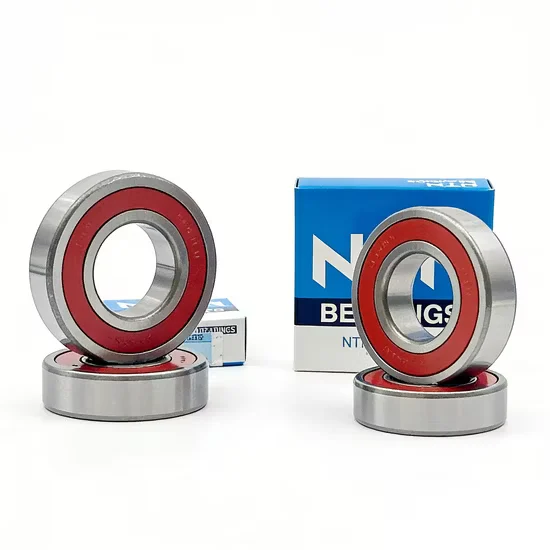
Matching outer and inner diameters is not enough to guarantee fitment for hub assemblies.
The critical installation dimensions for the NTN AU0827 wheel bearing include the flange bolt hole center distance (PCD), flange thickness, and the specific tooth count of the integrated ABS encoder ring. Verifying these parameters against vehicle manufacturer specifications is mandatory to prevent mechanical interference and signal errors. Relying solely on broad diameter measurements leads to assembly failures in modern automotive repair scenarios.
Sourcing this component requires a shift from generic dimension checking to precise specification validation. In the aftermarket distribution chain, the difference between a successful installation and a costly return shipment often lies in millimeters of flange offset or a single missing tooth on the sensor ring. Understanding the technical nuances of the NTN AU0827 wheel bearing specs ensures that distributors and workshop owners avoid common fitment pitfalls.
What Are the Critical Dimensions of the NTN AU0827?
Flange geometry dictates physical fitment more than bore diameter.
While the inner and outer diameters determine if the bearing fits onto the axle and into the knuckle, the flange interface determines if the wheel can be secured. The NTN AU0827 features a specific flange design that must align perfectly with the hub assembly. A common error in procurement is assuming that any bearing with the correct bore size will function as a direct replacement. This assumption ignores the structural constraints of the mounting face.
The bolt hole center distance, or Pitch Circle Diameter (PCD), is a primary failure point. If the PCD of the replacement bearing deviates even slightly from the original equipment specification, the wheel studs will not align with the hub holes. This misalignment prevents the wheel from seating correctly, leading to dangerous vibration or complete inability to install the wheel.
Flange thickness is another critical parameter. An overly thick flange can cause the brake rotor to sit too far out, potentially interfering with the caliper or causing uneven pad wear. Conversely, a thin flange may not provide sufficient support for the wheel load, leading to premature fatigue. When evaluating the NTN AU0827 wheel bearing specs, inspectors must use digital calipers to verify the flange thickness against the OEM blueprint.
| Dimension Parameter | Impact on Fitment | Verification Method |
|---|---|---|
| Bolt Hole PCD | Determines wheel stud alignment | Caliper measurement across opposite holes |
| Flange Thickness | Affects brake rotor positioning | Depth gauge or micrometer check |
| Flange Offset | Influences wheel track width | Comparison with OEM sample unit |
| Outer Diameter | Knuckle housing fit | Standard OD measurement |
A distributor in Latin America once received a batch of hub bearings where the outer diameter matched the specification perfectly. However, the flange thickness was greater than the original part by a small margin. This deviation caused the brake caliper to bind against the rotor shield during installation. The entire shipment had to be air-freighted back, resulting in a significant financial loss. This case highlights why checking the NTN AU0827 wheel bearing specs involves more than just basic diameter checks.
How Does the ABS Ring Specification Affect Installation?
The ABS encoder tooth count must match the vehicle’s sensor frequency requirements.
Modern vehicles rely on precise wheel speed data for anti-lock braking systems, traction control, and stability management. The NTN AU0827 integrates an ABS encoder ring directly into the bearing assembly. This ring generates a magnetic pulse pattern that the wheel speed sensor reads. If the tooth count of the encoder does not match the expected input for the vehicle’s electronic control unit (ECU), the system will register a fault.
An incorrect tooth count leads to inaccurate speed readings. The dashboard will illuminate the ABS warning light, and the vehicle may disable advanced safety features. In some cases, the mismatch can cause erratic behavior in the transmission shifting logic, which also relies on wheel speed data.
Beyond the tooth count, the physical gap between the encoder and the sensor is vital. The bearing design must maintain a consistent air gap to ensure a strong and clean signal. Variations in the bearing’s axial play or encoder positioning can weaken the signal, leading to intermittent faults that are difficult to diagnose. When sourcing the NTN AU0827 wheel bearing specs, buyers must confirm that the ABS ring type (magnetic or tone wheel) and tooth count are identical to the original part.
A fleet repair workshop reported extended downtime after installing replacement bearings with an incorrect ABS configuration. Technicians spent hours troubleshooting wiring and sensors before discovering that the replacement bearing had a different tooth pattern. The error was not visible to the naked eye but was immediately detected by diagnostic software. This incident underscores the importance of verifying the electronic compatibility aspects of the NTN AU0827 wheel bearing specs.
NTN AU0827 vs. Common Alternatives: Where Do They Differ?
Subtle differences in load capacity and sealing define long-term reliability.
When comparing the NTN AU0827 to other hub bearings in the same class, the distinctions often lie in internal construction and material quality. While many alternatives may share similar external dimensions, their performance under heavy loads and harsh conditions can vary significantly. The NTN AU0827 is engineered with high-purity steel and advanced sealing technologies to withstand the demands of modern driving environments.
Dynamic and static load ratings are key indicators of a bearing’s durability. A bearing with lower load ratings may deform or fail prematurely under heavy braking or cornering forces. The NTN AU0827 is designed to meet rigorous industry standards for load handling, ensuring consistent performance over its service life.
Sealing effectiveness is another differentiator. Hub bearings are exposed to water, road salt, and debris. High-quality seals prevent contaminants from entering the bearing raceway, which protects the rolling elements from corrosion and wear. Inferior seals may allow moisture ingress, leading to early failure. When reviewing the NTN AU0827 wheel bearing specs, attention should be paid to the seal type and material composition.
| Feature | NTN AU0827 Characteristics | Generic Alternative Risks |
|---|---|---|
| Steel Quality | High-purity vacuum degassed steel | Potential for higher inclusion density |
| Seal Design | Multi-lip contact seals | Basic single-lip designs prone to leakage |
| ABS Encoder | Precision-molded magnetic ring | Variable tooth consistency |
| Grease Type | High-temperature synthetic blend | Standard mineral grease with lower thermal stability |
Cross-referencing part numbers can be tricky. A substitute model might have the same bolt pattern but a different internal clearance class. This difference can affect noise levels and heat generation during operation. Distributors who rely solely on cross-reference tables without physical verification risk supplying parts that do not meet the performance expectations of end users. Understanding the specific advantages within the NTN AU0827 wheel bearing specs helps in making informed substitution decisions.
How to Verify AU0827 Specs Before Bulk Procurement?
Physical inspection of sample units is essential before committing to large orders.
Procuring hub bearings in bulk requires a robust quality assurance process. Relying on paper specifications alone is insufficient due to potential manufacturing variations. Implementing a pre-shipment inspection protocol ensures that every unit in the container meets the required standards. This approach minimizes the risk of receiving non-conforming goods and protects the distributor’s reputation.
The inspection process should begin with a visual check of the packaging and labeling. Genuine products typically have clear, legible markings that include the part number, batch code, and origin. Counterfeit or low-quality items may have blurred printing or inconsistent fonts. After verifying the exterior, random samples should be selected for dimensional testing.
Key measurements include the flange PCD, flange thickness, and outer diameter. These values should be compared against the official technical datasheet. Additionally, the ABS encoder should be inspected for physical damage or irregularities. Rotating the bearing by hand can help detect any roughness or binding, which may indicate internal defects.
Documentation is equally important. Requesting material certificates and test reports from the supplier provides an additional layer of verification. These documents confirm that the materials used meet industry standards and that the product has undergone necessary quality checks. For the NTN AU0827 wheel bearing specs, having traceable documentation supports warranty claims and builds trust with end customers.
A European importer implemented a strict sampling procedure for their bearing orders. By checking a statistically significant number of units from each batch, they identified a consistency issue in flange thickness before the goods reached their warehouse. This proactive measure allowed them to address the problem with the supplier immediately, avoiding a potential recall situation. Such diligence is crucial when handling precision components like the NTN AU0827 wheel bearing specs.
Conclusion
Precision in specification verification prevents costly fitment failures.
Selecting the correct hub bearing requires attention to detail beyond basic dimensions. The NTN AU0827 wheel bearing specs encompass critical factors such as flange geometry, ABS encoder configuration, and load capacity. Distributors and repair professionals who prioritize these details ensure reliable performance and customer satisfaction. Rigorous inspection and adherence to technical standards are the foundations of successful aftermarket supply.
In this article
NTN bearings mentioned in this article
Open each product to compare its series and category with the position on your list.
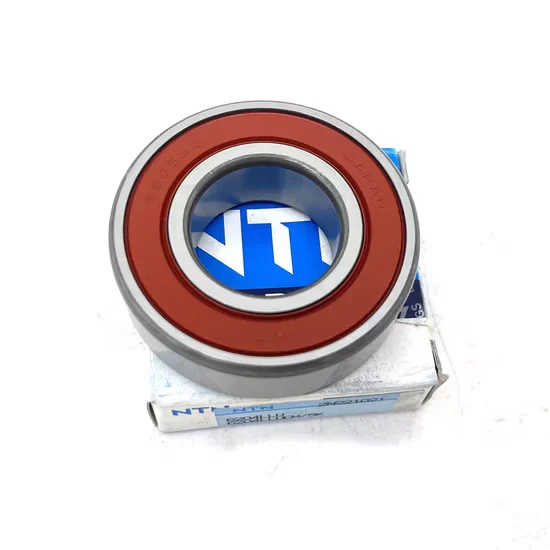 Deep Groove Ball Bearings
X&S 6000 Deep Groove Ball Bearing for Auto Wholesale Supplier
View product details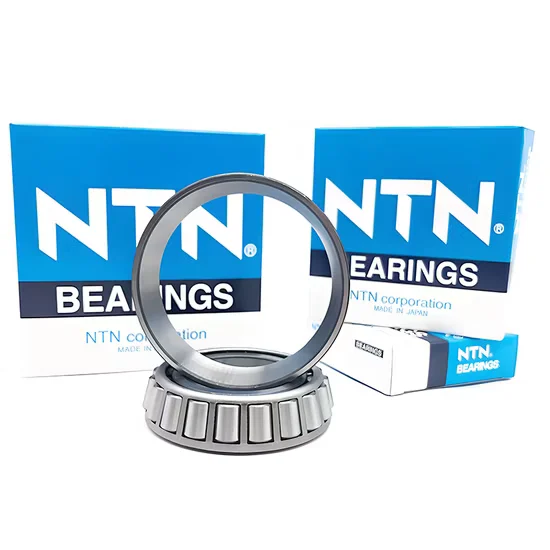 Tapered Roller Bearings
Genuine NTN 32004 32005 32006 32007 Tapered Roller Bearing Wholesale Supplier
View product details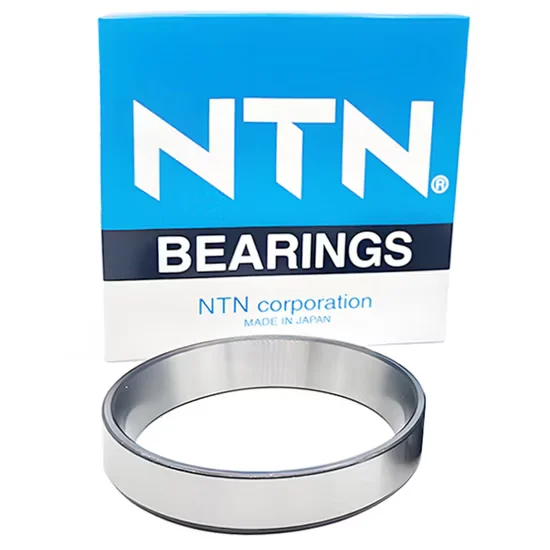 Tapered Roller Bearings
NTN 30216 Tapered Roller Bearing Genuine Original Wholesale Supplier
View product details Spherical Roller Bearings
Genuine NTN 21310 21311 21312 Spherical Roller Bearing Wholesale Supplier
View product detailsRelated applications
See how this topic connects to gearbox and heavy-drive service.