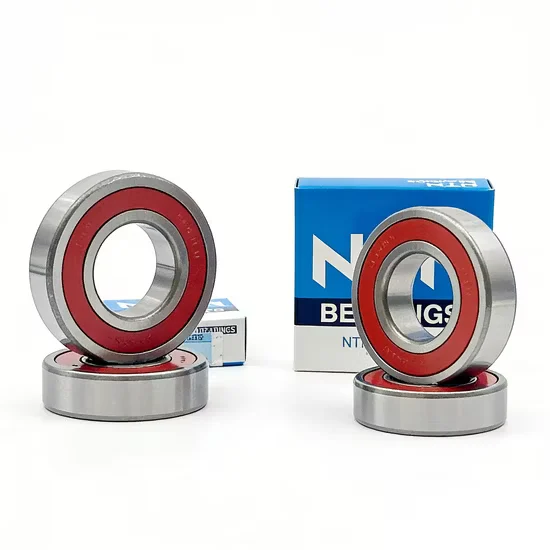
Matching the basic bore and outer diameter is not enough to guarantee fitment.
For the NTN FCR62-5 clutch release bearing, strict adherence to flange thickness and geometric tolerances is more critical than basic dimensional matching to prevent assembly line failures. Sourcing decisions must prioritize verified datasheets and precision measurement over visual inspection alone to avoid batch rejection in automotive aftermarket distribution.
I still remember the silence on the other end of the phone from a German procurement manager. It was not anger, but the cold realization that an entire container of bearings was useless. The part numbers matched. The packaging looked authentic. But when their automated assembly line tried to install the units, the clutch release mechanism jammed. The culprit was a deviation in flange thickness so minor it would have passed a casual visual check, yet significant enough to disrupt the hydraulic actuation sequence. That incident shifted my perspective from simply moving boxes to verifying the engineering integrity of every component. In the high-stakes world of automotive MRO, the difference between a successful installation and a costly recall often lies in the microns of geometric tolerance.
Understanding these nuances is essential for wholesalers and distributors who serve repair workshops and OEMs. This guide breaks down the technical specifications that matter, explains why minor deviations cause major failures, and provides a verification framework for sourcing genuine components.
What Are the Critical Specs of NTN FCR62-5?
Most buyers focus on the inner and outer diameters, assuming these are the only constraints for fitment. However, for a clutch release bearing like the NTN FCR62-5, the functional geometry is defined by the flange thickness and the form tolerances of the contact surfaces. These parameters dictate how the bearing interfaces with the clutch fork and the release sleeve.
The flange thickness determines the axial position of the bearing within the transmission housing. If this dimension is out of specification, the bearing may either fail to engage the clutch diaphragm fully or remain in constant contact, leading to premature wear. Geometric tolerances, such as runout and perpendicularity, ensure that the bearing rotates smoothly without inducing vibration or uneven load distribution on the clutch fingers.
| Specification Parameter | Critical Function | Risk of Deviation |
|---|---|---|
| Flange Thickness | Axial positioning and engagement depth | Assembly jamming or incomplete clutch release |
| Inner Diameter Bore | Fitment on the release sleeve | Loose fit causing slippage or tight fit causing installation damage |
| Outer Diameter | Guidance within the transmission housing | Binding or excessive play leading to noise |
| Geometric Runout | Rotational balance and smooth operation | Vibration, premature wear, and clutch chatter |
When reviewing a datasheet for the NTN FCR62-5 clutch release bearing, look for explicit values regarding the flange thickness tolerance zone. Generic listings that only provide nominal dimensions without tolerance bands are insufficient for quality assurance. Professional suppliers should be able to provide documentation that aligns with the original equipment manufacturer’s specifications, ensuring that the bearing meets the required precision grade for automotive applications.
Why Do 0.1mm Deviations Cause Assembly Line Failures?
A deviation of 0.1mm might seem negligible in general industrial applications, but in the confined space of a transmission clutch system, it is catastrophic. The clutch release mechanism operates with minimal clearance to ensure responsive pedal feel and complete disengagement of the engine from the drivetrain.
In one case involving a batch of aftermarket bearings, a slight excess in flange thickness prevented the clutch fork from traveling its full range of motion. The result was not just a difficult gear shift, but a complete failure to disengage the clutch, rendering the vehicle immobile. For high-volume repair shops or assembly lines, this translates to 100% batch rejection and significant operational downtime. The cost of replacing the parts is minor compared to the labor hours wasted on diagnosis and rework.
Furthermore, mismatched geometric tolerances can lead to uneven loading on the clutch diaphragm springs. Over time, this causes premature fatigue and failure of the clutch assembly itself, not just the bearing. In heavy-duty commercial vehicles, where the clutch undergoes frequent and high-load engagements, such issues can reduce service life noticeably. The bearing may appear to function initially, but the underlying stress concentrations accelerate wear, leading to unexpected breakdowns in the field.
This is why visual inspection is inadequate. A bearing can look perfect to the naked eye while having internal clearances or geometric errors that only precision measuring tools can detect. Relying on appearance alone is a gamble that professional distributors cannot afford to take. The integrity of the NTN FCR62-5 clutch release bearing depends on its manufactured precision, which must be verified through objective measurement rather than subjective observation.
How to Verify FCR62-5 Tolerances During Sourcing?
Verifying the quality of clutch release bearings requires a systematic approach that goes beyond checking the box label. For buyers sourcing the NTN FCR62-5 clutch release bearing, implementing a rigorous incoming quality control process is essential to mitigate the risk of mixed batches or counterfeit products.
The first step is to request the official technical datasheet from the supplier. This document should specify the tolerance classes for all critical dimensions, including the flange thickness. Compare these values against the OEM specifications for the target vehicle models. If the supplier cannot provide detailed tolerance data, it is a red flag indicating potential quality inconsistencies.
Next, perform physical spot checks using precision calipers and micrometers. Measure the flange thickness at multiple points around the circumference to check for uniformity. Any variation beyond the specified tolerance indicates poor manufacturing control or handling damage. Additionally, check the inner and outer diameters for roundness and surface finish. Rough surfaces or out-of-round bores can cause installation difficulties and premature failure.
| Verification Step | Tool Required | Acceptance Criteria |
|---|---|---|
| Flange Thickness Measurement | Digital Caliper / Micrometer | Within specified tolerance zone per datasheet |
| Inner/Outer Diameter Check | Caliper | Matches nominal dimension with allowed tolerance |
| Surface Inspection | Visual / Magnifying Glass | Smooth, free from burrs, cracks, or corrosion |
| Rotation Test | Manual Spin | Smooth, quiet rotation with no binding or gritty feeling |
In our own operations, we utilize precision calipers to check every batch of NTN FCR62-5 clutch release bearing units before they are cleared for global shipment. This practice ensures that any deviations are caught early, preventing them from reaching the end customer. By treating each batch as a potential variable, we maintain a consistent standard of quality that protects our clients’ reputations and reduces the likelihood of returns.
Traceability is another key factor. Ensure that the bearings come with proper packaging and labeling that includes batch numbers and manufacturing dates. Counterfeit products often lack these details or have inconsistent printing. Cross-referencing the batch number with the supplier’s certification documents can help verify authenticity.
NTN FCR62-5 vs. Cross-Reference Alternatives: Spec Comparison Matrix
When sourcing replacements, buyers often encounter cross-reference alternatives from other brands or aftermarket manufacturers. While these options may offer lower upfront costs, they often differ in material quality, precision grades, and load capacity. Understanding these differences is crucial for making informed purchasing decisions.
Original NTN bearings are manufactured to strict international standards, ensuring consistent performance and longevity. Aftermarket alternatives may vary significantly in their adherence to these standards. Some may use lower-grade steel or less precise machining processes, which can compromise durability and reliability.
| Feature | Original NTN FCR62-5 | Generic Aftermarket Alternative |
|---|---|---|
| Material Quality | High-grade bearing steel with controlled purity | Variable, often lower-grade steel |
| Precision Grade | Consistent with OEM specifications | May vary, often looser tolerances |
| Geometric Tolerances | Strictly controlled for smooth operation | Less controlled, higher risk of runout |
| Traceability | Full batch-level documentation | Often limited or self-reported |
| Load Capacity | Optimized for specific vehicle applications | Generalized, may not match OEM requirements |
Choosing a generic alternative might save money initially, but the risk of premature failure and subsequent warranty claims can outweigh these savings. For distributors serving professional repair shops and fleet operators, the reliability of the component is paramount. A failed bearing can lead to collateral damage to the clutch assembly, resulting in much higher repair costs for the end user.
The NTN FCR62-5 clutch release bearing is designed to meet the specific demands of modern transmission systems. Its construction and precision ensure that it performs reliably under various operating conditions, from daily commuting to heavy-duty commercial use. When evaluating alternatives, consider the total cost of ownership, including the potential for returns, repairs, and customer dissatisfaction.
Conclusion
Precision in flange thickness and geometric tolerances defines the reliability of the NTN FCR62-5 clutch release bearing.
Sourcing this component requires more than matching part numbers; it demands verification of technical specifications and adherence to quality control protocols. By prioritizing documented tolerances and conducting rigorous inspections, distributors can ensure consistent performance and avoid the costly consequences of assembly failures. Trust in verified data and precise measurement to safeguard your supply chain and customer satisfaction.
In this article
NTN bearings mentioned in this article
Open each product to compare its series and category with the position on your list.
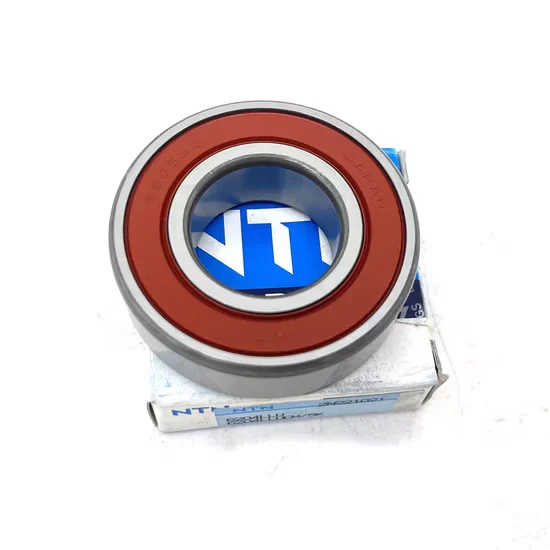 Deep Groove Ball Bearings
X&S 6000 Deep Groove Ball Bearing for Auto Wholesale Supplier
View product details Tapered Roller Bearings
Genuine NTN 32004 32005 32006 32007 Tapered Roller Bearing Wholesale Supplier
View product details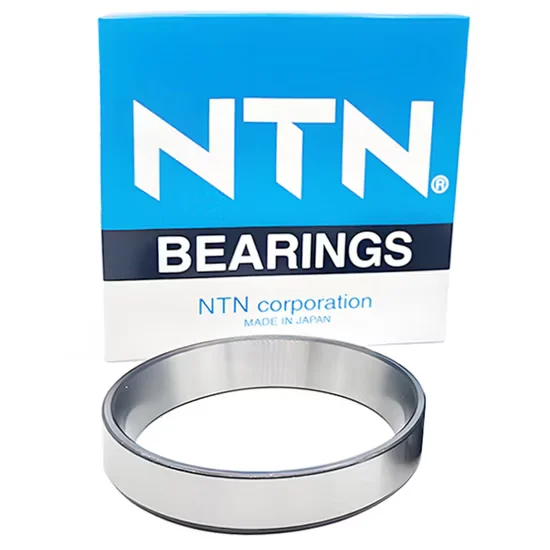 Tapered Roller Bearings
NTN 30216 Tapered Roller Bearing Genuine Original Wholesale Supplier
View product details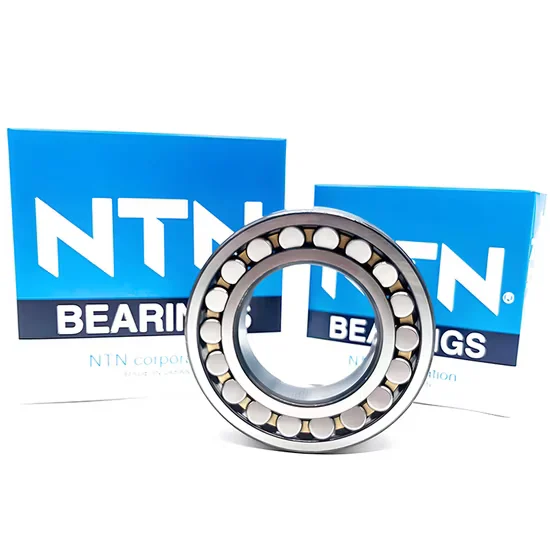 Spherical Roller Bearings
Genuine NTN 21310 21311 21312 Spherical Roller Bearing Wholesale Supplier
View product detailsRelated applications
See how this topic connects to gearbox and heavy-drive service.