
The cheapest part on the invoice is often the most expensive component in your inventory.
For automotive aftermarket distributors and MRO buyers, the decision between remanufactured and new CV axles is not merely a question of upfront procurement cost. While remanufactured units present a lower initial price point, new aftermarket axles deliver superior total cost of ownership by significantly reducing warranty claims, minimizing workshop downtime, and eliminating the hidden risks associated with core fatigue. Sourcing from a reliable wholesale supplier for bulk orders ensures consistent quality control that remanufacturing processes simply cannot match due to the variability of used cores.
I remember standing in the bustling aisles of the AAPEX show in Las Vegas a couple of years ago. The air was thick with the scent of coffee and rubber, and the noise of negotiations was deafening. A buyer from a large North American MRO network approached my booth, holding a quote sheet from a competitor who specialized in rebuilt driveline components. He was pressing hard on price, pointing out that his current supplier could offer remanufactured CV axles at a fraction of the cost of new units. He expected me to match it or lose the contract. Instead of lowering my price, I asked him about his return rate. He hesitated. We sat down, and I walked him through a simple calculation: the labor cost of a second replacement, the shipping fees for returns, and the reputational damage when a customer’s vehicle fails shortly after repair. He later tested a batch of our new domestic alternative axles. The result was not just a slight improvement; the return rate dropped to near zero. This experience reinforced a fundamental truth in the automotive aftermarket: you are not buying a metal shaft; you are buying reliability.
Understanding this distinction is critical for any business looking to optimize its supply chain. Let us dive into the specific factors that drive this value proposition.
What is the real upfront price difference between reman and new CV axles?
Remanufactured units appear cheaper on the purchase order, but the gap narrows significantly when logistics and handling costs are factored in.
At first glance, the price tag on a remanufactured CV axle is attractive. It is often substantially lower than a brand-new aftermarket unit. This price difference is the primary driver for many budget-conscious buyers. However, this view is myopic. It ignores the operational realities of distributing these parts. Remanufactured axles rely on returned cores. These cores vary wildly in condition. Some may have minor wear, while others have significant structural fatigue that is not visible to the naked eye.
When you source from a wholesale supplier for bulk orders, consistency is key. With remanufactured parts, you are essentially buying a lottery ticket. You might get a unit that lasts, or you might get one that fails within weeks. This unpredictability forces distributors to hold higher safety stock to cover potential returns, tying up capital. Furthermore, the handling of remanufactured units often requires more rigorous incoming inspection if the distributor wants to avoid passing defective parts to their customers. This adds labor hours and overhead.
In contrast, new aftermarket axles are produced from fresh materials. There is no core dependency. The manufacturing process is standardized, leading to uniform quality. When I negotiate with buyers, I highlight that the slightly higher upfront cost of a new axle is offset by the elimination of core management logistics. There are no deposits to track, no core returns to process, and no uncertainty about the internal state of the joint. For a high-volume distributor, the administrative savings alone can close the price gap.
| Feature | Remanufactured CV Axle | New Aftermarket CV Axle |
|---|---|---|
| Upfront Unit Cost | Lower | Moderate |
| Core Dependency | High (Variable Quality) | None (Consistent Quality) |
| Inspection Requirement | High (Risk of Hidden Fatigue) | Low (Standard QC) |
| Logistics Complexity | High (Core Returns/Deposits) | Low (Direct Ship) |
| Inventory Predictability | Low | High |
How do dust boot lifespans impact total cost of ownership?
Premature dust boot failure is the silent killer of CV axles, leading to grease leakage and catastrophic joint报废.
The CV joint itself is robust, but it is entirely dependent on the integrity of its dust boot. This rubber component keeps the lubricating grease inside and contaminants like water and dirt outside. In remanufactured axles, the dust boots are often reused or replaced with lower-grade alternatives to keep costs down. These boots are susceptible to rapid degradation due to material fatigue and ozone cracking.
Once a dust boot cracks, even microscopically, grease escapes. Without lubrication, the CV joint experiences increased friction and heat. Contaminants enter the joint, acting as an abrasive paste. This leads to rapid wear of the bearings and races inside the joint. The result is a complete failure of the CV axle, often accompanied by loud clicking noises and vibration. For the end-user, this means a second repair visit. For the distributor, it means a warranty claim.
New aftermarket axles typically use high-quality, ozone-resistant rubber compounds for their dust boots. These are designed to withstand the harsh conditions under a vehicle, including exposure to road salt, heat, and flexing. The lifespan of a new boot is significantly longer, ensuring that the joint remains lubricated for the intended service life of the axle. This directly reduces the frequency of premature failures. When calculating total cost of ownership, the cost of a single warranty claim—including shipping, labor, and customer goodwill—can exceed the profit margin of several units. Therefore, investing in axles with superior dust boot technology is a financial imperative, not just a technical preference.
Why do warranty claims skyrocket with remanufactured axles?
Hidden core fatigue causes unpredictable failures, turning cheap procurement into expensive售后 nightmares.
Warranty claims are the bane of any distributor’s existence. They erode profits and damage relationships with repair shops. With remanufactured CV axles, the root cause of many failures is hidden core fatigue. The metal components of the axle, particularly the joints, undergo stress cycles during their first life. Even if they appear visually sound, microscopic cracks can develop.
Remanufacturing processes often involve cleaning and reassembling these used cores. Unless the manufacturer employs advanced non-destructive testing methods, which is rare due to cost constraints, these microscopic flaws go undetected. Once the axle is back in service, the stress concentrates at these weak points, leading to sudden and unpredictable failure. This unpredictability makes it difficult for distributors to forecast return rates.
In contrast, new aftermarket axles are made from fresh steel forgings. There is no prior history of stress cycles. The material properties are consistent and verifiable. This eliminates the risk of hidden fatigue. When a new axle fails, it is usually due to installation error or extreme abuse, not inherent material defects. This clarity simplifies warranty adjudication. Distributors can confidently stand behind their products, knowing that the failure rate is statistically negligible. A US buyer once shared with me that after switching from a reman-focused supplier to a new-aftermarket strategy, their warranty administration costs dropped noticeably. The time saved by not processing endless small claims allowed their team to focus on growth rather than damage control.
| Failure Mode | Remanufactured Axle Risk | New Aftermarket Axle Risk |
|---|---|---|
| Hidden Core Fatigue | High | None |
| Dust Boot Degradation | High | Low |
| Installation Fitment Issues | Moderate (Varies by Core) | Low (Standardized) |
| Unpredictable Lifespan | High | Low |
How can distributors verify quality when sourcing new CV axles?
Demand strict QC protocols and traceable materials from global bearing and driveline suppliers.
Not all new aftermarket axles are created equal. The market is flooded with products of varying quality. For distributors, the challenge is identifying suppliers who prioritize quality over cut-rate pricing. The key lies in verification. You must look for suppliers who provide complete traceability documentation. This includes material certificates for the steel used in the shafts and joints, as well as specifications for the rubber compounds in the dust boots.
A reliable wholesale supplier for bulk orders will have established relationships with reputable manufacturers. They will not shy away from questions about their quality control processes. Ask about their testing procedures. Do they perform dynamic balancing? Do they test the torque capacity of the joints? Do they inspect every unit before shipment? These are not optional extras; they are fundamental requirements for a product that plays a critical safety role in a vehicle.
Furthermore, consider the supplier’s ability to provide technical support. A partner who understands the engineering behind the product can help you select the right specifications for your market. They can advise on compatibility issues and provide data sheets that your sales team can use to educate customers. This level of support transforms a transactional relationship into a strategic partnership. By sourcing from such a supplier, you secure a competitive advantage. You offer your customers peace of mind, knowing that the parts they install are built to last. This builds loyalty and drives repeat business, which is the ultimate goal of any sustainable distribution strategy.
Conclusion
Total cost of ownership, not upfront price, determines the true value of CV axles.
Remanufactured axles may seem like a bargain, but the hidden costs of warranty claims, core management, and premature failures quickly erase any initial savings. New aftermarket axles offer a predictable, reliable solution that protects your margins and your reputation. By partnering with a qualified wholesale supplier for bulk orders who prioritizes quality and traceability, distributors can deliver superior value to their customers. Choose reliability over rock-bottom prices, and watch your business thrive.
In this article
NTN bearings mentioned in this article
Open each product to compare its series and category with the position on your list.
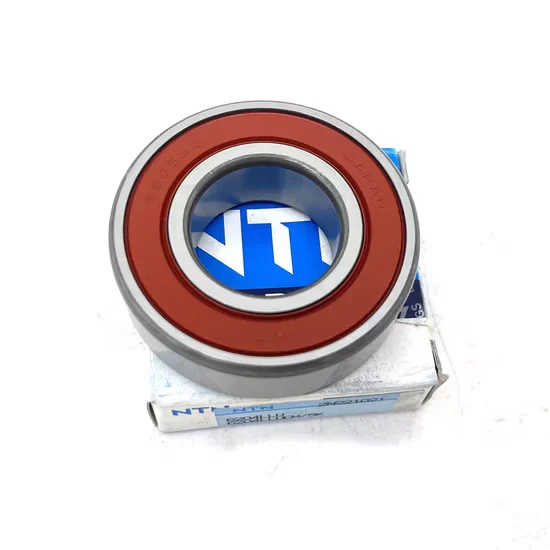 Deep Groove Ball Bearings
X&S 6000 Deep Groove Ball Bearing for Auto Wholesale Supplier
View product details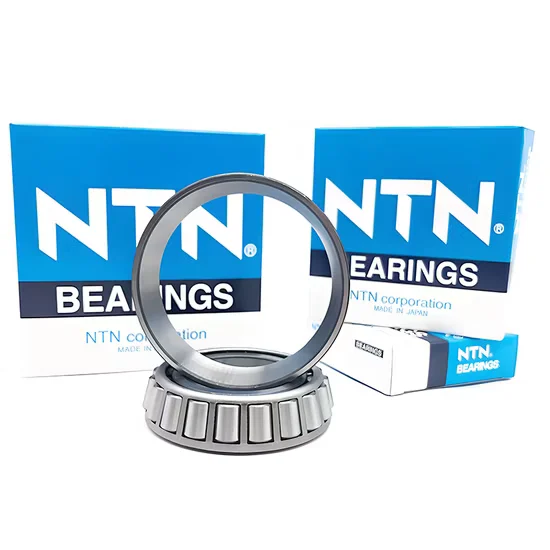 Tapered Roller Bearings
Genuine NTN 32004 32005 32006 32007 Tapered Roller Bearing Wholesale Supplier
View product details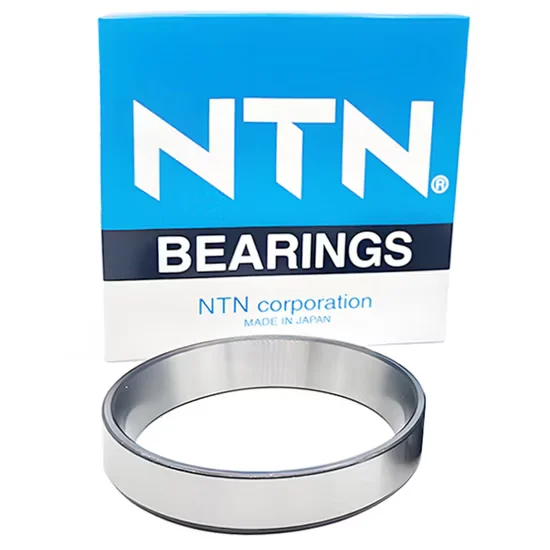 Tapered Roller Bearings
NTN 30216 Tapered Roller Bearing Genuine Original Wholesale Supplier
View product details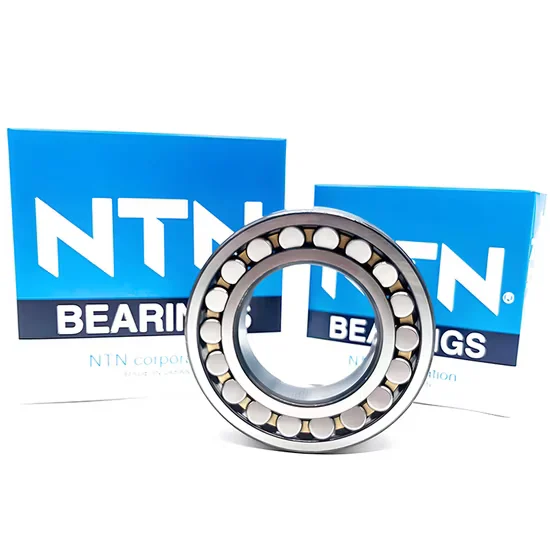 Spherical Roller Bearings
Genuine NTN 21310 21311 21312 Spherical Roller Bearing Wholesale Supplier
View product detailsRelated applications
See how this topic connects to gearbox and heavy-drive service.