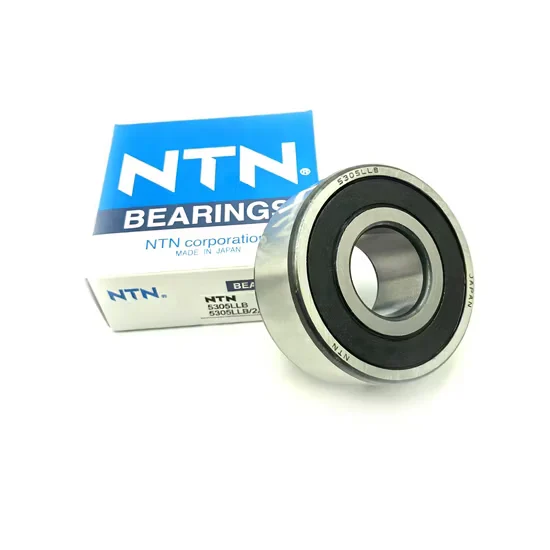
Matching the outer diameter and inner diameter is not enough to keep an alternator running.
To select the correct bearing, you must prioritize radial internal clearance (C3 or C4) and electrical insulation coatings over basic dimensional matches. Standard clearance bearings will seize under the high-speed thermal expansion typical of alternator operation, regardless of how perfectly they fit the housing.
The smell of burnt varnish still triggers a reflex in me. Years ago, in a sweltering workshop in Lagos, I watched a diesel generator fall silent. The rotor had seized inside the stator. I had replaced the failed unit with a brand-new deep groove ball bearing that matched the original part number’s dimensions exactly. It was a perfect fit on the bench. But once the engine hit operating temperature and high RPMs, the standard clearance vanished. The inner race expanded faster than the outer, the balls locked up, and the friction welded the components together. That failure cost me more than just the price of the bearing; it cost me the trust of a client who relied on that power for his cold storage business. Since then, I have learned that an Alternator Bearing Size Chart is not just a list of numbers. It is a map of thermal and electrical survival limits.
Many buyers treat bearing selection as a simple geometry problem. They measure the shaft and the housing, find a match, and order. This approach ignores the dynamic environment inside an alternator. The rotor spins at speeds far higher than typical industrial motors, generating significant heat. Without the correct internal space for this expansion, the bearing becomes a brake. Furthermore, the electrical currents generated within the alternator can arc through the bearing if not properly insulated, causing fluting damage that leads to premature noise and failure. Understanding these factors is essential for anyone using an Alternator Bearing Size Chart to source replacements or design new systems.
What Are Standard Alternator Bearing Dimensions?
Dimensions provide the starting point, but they do not guarantee compatibility.
Most alternators use standard deep groove ball bearings due to their ability to handle both radial and moderate axial loads at high speeds. The most common series found in automotive and light industrial alternators are the 6200 and 6300 series. For heavier industrial generators, you might encounter larger diameters from the 6300 or even 6400 series. However, relying solely on the bore (inner diameter), outside diameter, and width is risky.
Consider a typical scenario where a maintenance manager needs to replace a bearing in a mixed-batch fleet. He measures a shaft diameter of 17mm and a housing bore of 40mm. He looks up an Alternator Bearing Size Chart and finds a 6203 bearing. He orders ten units. Five work fine. The other five fail within weeks. Why? Because while the dimensions were correct, the specific application required a different seal type or a specific cage material that could withstand higher temperatures. Or worse, the original manufacturer used a non-standard width that was close enough to fool a caliper but not precise enough for proper preload.
| Bearing Series | Common Bore Range (mm) | Common OD Range (mm) | Typical Application Context |
|---|---|---|---|
| 6200 Series | 10 – 50 | 30 – 100 | Automotive alternators, small portable generators |
| 6300 Series | 10 – 60 | 35 – 130 | Medium industrial alternators, heavy-duty trucks |
| 6400 Series | 20 – 80 | 50 – 170 | Large marine generators, stationary power plants |
When cross-referencing brands, you must ensure that the dimensional tolerances match. A bearing from one premium brand might have a tighter tolerance class than a generic equivalent. If you mix these in a paired arrangement, the load distribution becomes uneven. This is why we often advise clients to stick to consistent quality tiers when consolidating mixed-brand orders. An accurate Alternator Bearing Size Chart must include tolerance classes, not just nominal sizes.
Why Is Radial Clearance Critical?
Standard clearance causes rotor seizure; C3 or C4 clearance is mandatory for high-speed operation.
This is the lesson I learned the hard way in Lagos. Radial internal clearance is the space between the rolling elements and the raceways. In a static state, this space seems irrelevant. But as the alternator spins, friction generates heat. The inner ring, mounted on the rotating shaft, heats up and expands more than the outer ring, which is seated in the cooler housing. If there is no extra space (clearance) to accommodate this expansion, the bearing preloads itself. The balls are squeezed tightly, friction spikes, temperature rises further, and the bearing locks up.
For alternators, standard C0 (or CN) clearance is rarely sufficient. Most manufacturers specify C3 clearance for normal high-speed operations. In environments with extreme ambient temperatures or very high rotational speeds, C4 clearance may be required. Using a standard clearance bearing in these conditions is a guaranteed failure mode.
I once consulted for a mining operation in West Africa where their mobile generator fleet suffered frequent bearing failures. They were buying cheap replacements that matched the dimensions but ignored the clearance code. We switched them to genuine bearings with verified C3 clearance. The difference was immediate. The bearings ran cooler, and the vibration levels dropped noticeably. They stopped tearing out rotors every few months.
When you consult an Alternator Bearing Size Chart, look for the clearance designation. It is usually listed after the bearing number, such as 6203-2RS C3. If the chart does not specify clearance, assume it is standard, and do not use it for an alternator unless you have confirmed otherwise with the manufacturer. This is a critical filter for MRO buyers who need to avoid catastrophic downtime.
Do Alternator Bearings Need Insulation?
Yes, coatings prevent electrical arcing damage that destroys bearing surfaces.
Alternators generate electricity, and stray currents can find their way through the bearing. When current passes through the rolling elements, it creates tiny arcs. These arcs melt microscopic pits into the raceways, a phenomenon known as electrical discharge machining (EDM) damage or fluting. Over time, this roughness causes vibration, noise, and eventual failure.
To prevent this, many modern alternators use insulated bearings. These bearings have a ceramic coating on the outer ring or a special insulating sleeve. This barrier breaks the electrical path, forcing the current to stay in the windings where it belongs. Ignoring this requirement is as dangerous as ignoring clearance. You can have the perfect size and the correct C3 clearance, but if the bearing is not insulated in an application that requires it, it will fail prematurely.
A European wind farm operator once reported strange noise issues in their backup generators. The bearings were new and correctly sized. However, upon inspection, we found classic fluting patterns on the raceways. The original design called for insulated bearings, but the replacement parts were standard steel. Switching to insulated variants solved the issue.
When reviewing an Alternator Bearing Size Chart, check for insulation specifications. Look for terms like "insulated," "coated," or specific suffixes that denote electrical isolation. If the chart is silent on this, you must verify the original equipment manufacturer’s requirements. For distributors stocking parts for diverse markets, carrying a range of insulated options is crucial to meeting these technical needs.
How to Cross-Reference Brands?
Match dimensions, clearance, and seals across premium brands to ensure reliability.
Sourcing alternator bearings often involves navigating a maze of brand equivalents. A client might have a machine built with NSK bearings but want to source SKF or FAG for better availability or pricing. While these brands are all high-quality, their part numbering systems differ. A direct number swap is not always possible. You must cross-reference based on technical parameters, not just marketing names.
Start with the basic dimensions: bore, OD, and width. Then, layer on the critical specs: clearance (C3/C4), seal type (rubber vs. metal), and insulation. Only when all these match can you consider the bearings equivalent. For example, an NSK 6203VV C3 might correspond to an SKF 6203-2Z C3, but you must verify the seal material and temperature limits. Some seals degrade faster in high-heat alternator environments.
We frequently help distributors consolidate mixed-brand inventories. A buyer in Southeast Asia needed to replace bearings in a fleet of generators that had been serviced by multiple vendors over the years. The stockroom was a mess of different brands. By using a detailed cross-reference process that prioritized technical specs over brand loyalty, we helped them standardize on a few reliable lines. This reduced their inventory complexity and improved their negotiation power with suppliers.
An effective Alternator Bearing Size Chart for cross-referencing should include columns for each major brand’s equivalent part number, along with their specific suffixes for clearance and seals. This allows buyers to see at a glance whether a substitute is truly compatible. Without this level of detail, you risk introducing weak links into your supply chain.
Conclusion
Selecting the right alternator bearing requires looking beyond basic dimensions to clearance and insulation specs.
A simple size match is insufficient for the high-speed, high-heat, and electrically charged environment of an alternator. Prioritize C3 or C4 radial clearance to prevent thermal seizure and ensure electrical insulation to avoid arcing damage. Use comprehensive cross-referencing tools to verify that substitutes meet all technical requirements, not just dimensional ones. By focusing on these critical factors, you can prevent catastrophic failures and extend the service life of your power generation equipment.
In this article
NTN bearings mentioned in this article
Open each product to compare its series and category with the position on your list.
 Deep Groove Ball Bearings
NTN 688 699 6301 6300 6200 6201 6000 609 608 607 628 638 696 685 Deep Groove Ball Bearing
View product details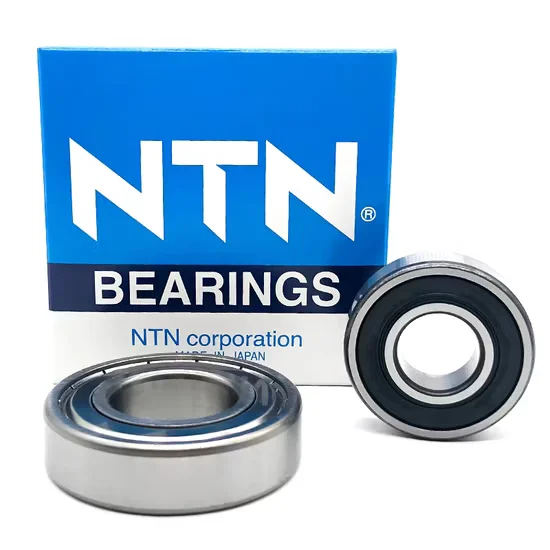 Deep Groove Ball Bearings
NTN 6300-2RS1 6301-2RS1 6302-2RS1 6303-2RS1 Deep Groove Ball Bearing
View product details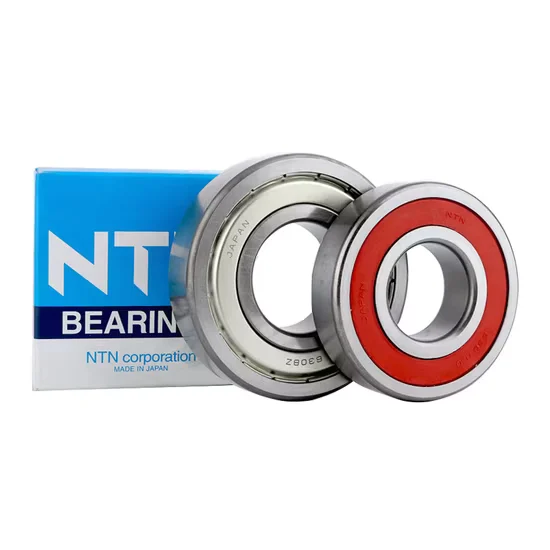 Deep Groove Ball Bearings
6230ZZ 6232ZZ 6300ZZ Deep Groove Ball Bearing Genuine Stock
View product details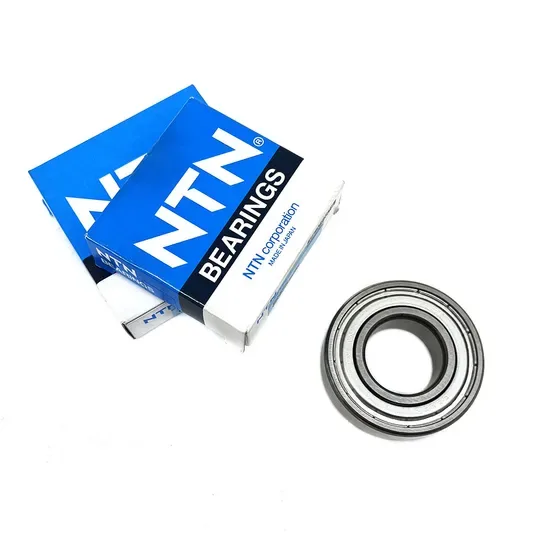 Deep Groove Ball Bearings
X&S NTN 6203 6202 603 Deep Groove Ball Bearing C3
View product detailsRelated applications
See how this topic connects to gearbox and heavy-drive service.