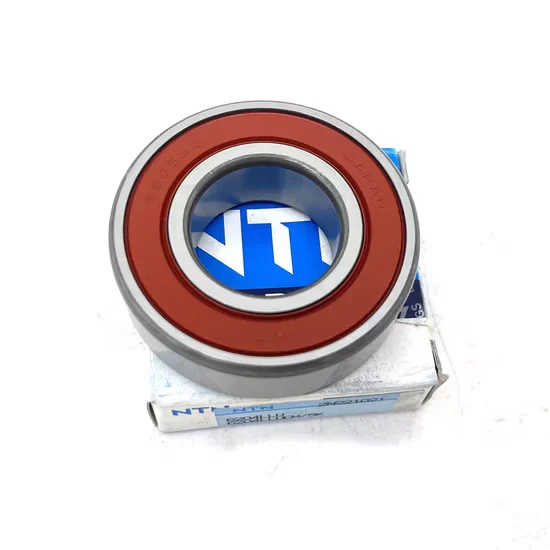
Pothole Impact Damage to Hub Units: Genuine Bearing Supplier for Bulk MRO Orders
Cheap refurbished hubs do not save money; they multiply downtime costs.
Pothole impacts generate severe shock loads that exceed the material limits of inferior hub unit cages, leading to immediate fracture and catastrophic axle seizure. The only reliable prevention strategy involves selecting genuine parts with verified traceability and optimized internal geometry, followed by strict post-impact inspection protocols using dial indicators to measure clearance changes.
I still remember the humid air in Sulawesi during the rainy season. A nickel mining fleet had just switched to a batch of unknown refurbished hub units to cut procurement costs. The roads were a mess of deep craters and mud. Within weeks, the shock loads from hitting these potholes shattered the cages inside the bearings. The rolling elements locked up, seizing the axles on several wide-body dump trucks. The production halt cost far more than the initial savings from buying cheap parts. That incident clarified a hard truth for me: in MRO scenarios, especially for wheel hubs, impact resistance and authentic sourcing are non-negotiable baselines.
Understanding how these failures happen is the first step toward preventing them. Let us look at the mechanics behind the damage and how to mitigate it through proper selection and maintenance.
How Do Pothole Impacts Damage Hub Units?
Shock loads transfer directly to the bearing internals, causing structural failure before visible external damage appears.
When a heavy vehicle hits a pothole, the vertical force spikes dramatically. This impact load travels through the tire and wheel rim straight into the hub unit. Standard static load ratings do not account for these dynamic shocks. The sudden deceleration forces the rolling elements to slam against the raceways and the cage. If the cage material is brittle or poorly heat-treated, it cracks instantly.
In many cases, the damage is not immediately obvious from the outside. The seal might look intact, but inside, the rolling elements have created brinell marks—small dents—on the raceway surface. These indentations act as stress concentrators. As the wheel continues to rotate, cracks initiate from these points, leading to spalling and eventual fragmentation of the bearing components.
I have seen this pattern repeatedly in construction machinery operating on unpaved sites. A single hard hit can cause immediate brinelling. Over time, this leads to premature grease leakage because the internal clearance has changed due to deformation. Most operators mistake the leakage for a simple seal failure and replace only the seal. However, the root cause is often the internal cage deformation altering the clearance, which then pushes the seal out of its groove.
Recognizing this mechanism helps in diagnosing issues early. It also highlights why generic replacements often fail in harsh environments. They lack the specific internal geometry optimizations that distribute these shock loads more evenly across the rolling elements.
What Are the Early Warning Signs of Impact Damage?
Abnormal noise, vibration, and unexpected grease leakage are critical indicators of internal structural deformation.
Detecting pothole impact damage to hub units early can prevent a minor repair from becoming a major axle replacement. The first sign is often a change in sound. A healthy hub unit hums quietly. A damaged one may produce a rhythmic clicking or grinding noise that increases with speed. This noise comes from rolling elements passing over brinell marks or cracked cage segments.
Vibration is another key indicator. Drivers or operators may feel a shudder in the steering wheel or the chassis, especially at higher speeds. This vibration is caused by the irregular rotation of the damaged bearing. In heavy equipment, this can lead to secondary damage in the suspension components if left unchecked.
Grease leakage is frequently misdiagnosed. As mentioned earlier, impact can deform the bearing rings, changing the internal clearance. This deformation can push the seal lip away from its sealing surface, allowing grease to escape. If you see fresh grease around the hub cap shortly after a known impact event, do not just top it up. Inspect the hub unit thoroughly.
A commercial vehicle fleet I consulted with faced frequent pothole exposure on their delivery routes. They noticed a significant drop in mileage between maintenance intervals due to premature grease loss. Upon teardown, we found that the cages were slightly distorted, even though they had not yet fractured. Replacing these units proactively saved them from roadside breakdowns.
Monitoring these signs requires disciplined inspection routines. Relying solely on scheduled maintenance intervals is insufficient in high-impact environments. Condition-based monitoring yields better results.
How to Inspect and Maintain Hub Units After Severe Impacts?
Step-by-step teardown and precise clearance measurement are required to confirm internal integrity.
After a vehicle hits a severe pothole, visual inspection of the tire and rim is not enough. The hub unit must be checked systematically. Here is a practical method used in professional MRO settings.
First, lift the vehicle and remove the wheel. Check for any play in the hub by grasping the tire at the top and bottom and rocking it. Excessive play suggests bearing wear or damage. However, some impact damage does not create immediate play.
Second, remove the hub unit carefully. Clean the exterior thoroughly to prevent contamination during inspection. Look for any signs of overheating, such as discoloration of the metal, which indicates friction from locked components.
Third, and most critically, measure the internal clearance. Use a dial indicator to check the axial and radial play. Compare these measurements against the manufacturer’s specifications. Any deviation beyond the allowed tolerance indicates internal damage.
Fourth, inspect the rolling elements and raceways if the unit is serviceable. Look for brinell marks, spalling, or cracks. Even small dents can compromise the entire unit’s lifespan. If any such defects are found, replace the unit immediately. Do not attempt to repair a damaged hub unit.
I recall a case where a maintenance team skipped the clearance measurement step. They reinstalled a hub unit that looked fine externally. Two days later, it failed catastrophically, damaging the axle shaft. The cost of the new axle was several times the price of the hub unit. This error underscores the importance of precise measurement.
Strict adherence to these steps ensures that only sound components remain in service. It eliminates the guesswork and reduces the risk of unplanned downtime.
How to Select Impact-Resistant Hub Units for Harsh Roads?
Prioritize genuine parts with verified traceability and optimized internal geometry over cheap alternatives.
Choosing the right hub unit is the most effective way to mitigate pothole impact damage to hub units. Not all bearings are created equal. Genuine parts from reputable manufacturers like SKF, Timken, FAG, and NSK are engineered to withstand higher dynamic loads. They use high-purity steel and advanced heat treatment processes that enhance toughness and fatigue resistance.
Cheap refurbished or counterfeit units often use lower-grade materials. Their cages may be made from stamped steel rather than machined brass or polymer, making them brittle under shock loads. Additionally, these units lack the precise internal geometry that distributes load evenly. This concentration of stress leads to premature failure.
Traceability is another crucial factor. Genuine parts come with documentation that verifies their origin and manufacturing batch. This ensures that you are getting what you paid for. Counterfeit parts may look identical but fail under minimal stress. In bulk MRO orders, verifying the supply chain is essential to avoid introducing weak links into your fleet.
As a global supplier, we stock genuine products from all mainstream international brands. We provide complete traceability documentation for every unit. This allows MRO operators and distributors to verify the authenticity of their purchases. Our technical team also offers cross-brand equivalent model consultation. This helps clients select the most suitable impact-resistant option for their specific application, whether it is mining, construction, or heavy transport.
Investing in genuine parts reduces the total cost of ownership. While the upfront price may be higher, the extended service life and reduced downtime make it a financially sound decision.
Conclusion
Pothole impacts demand robust solutions, not just quick fixes.
Preventing pothole impact damage to hub units requires a combination of proactive maintenance, accurate diagnosis, and the use of high-quality genuine components. By understanding the mechanics of shock load failure and adhering to strict inspection protocols, operators can significantly reduce unplanned downtime. Choosing verified, impact-resistant hub units from trusted suppliers ensures reliability in the harshest conditions.
In this article
NTN bearings mentioned in this article
Open each product to compare its series and category with the position on your list.
 Deep Groove Ball Bearings
X&S 6809-6818 Deep Groove Ball Bearings Genuine Supplier
View product details Deep Groove Ball Bearings
NTN 6203 Deep Groove Ball Bearing for Auto Parts | Genuine Supplier
View product details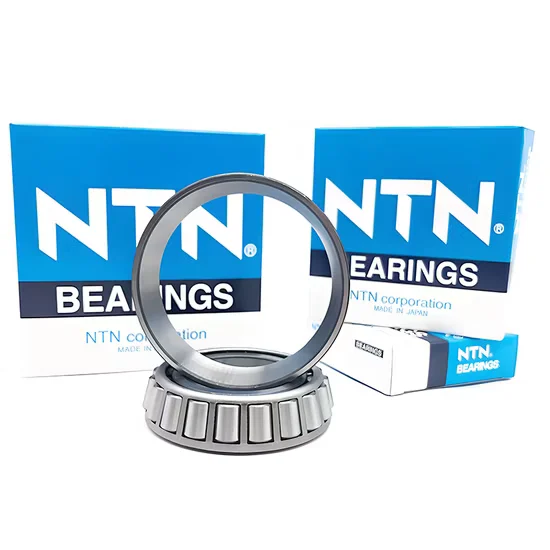 Tapered Roller Bearings
Genuine NTN 32004 32005 32006 32007 Tapered Roller Bearing Wholesale Supplier
View product details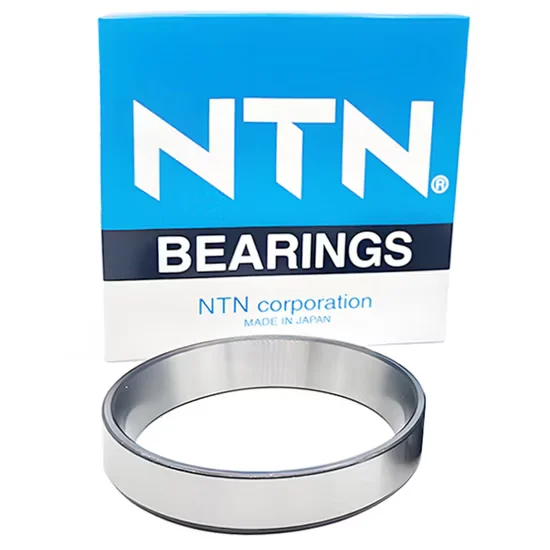 Tapered Roller Bearings
NTN 30216 Tapered Roller Bearing Genuine Original Wholesale Supplier
View product detailsRelated applications
See how this topic connects to gearbox and heavy-drive service.