
Automotive Hub Bearings Wholesale Supplier: Low MOQ & Bulk Orders
High minimum order quantities do not guarantee better margins; they often bury capital in dead stock.
The standard MOQ for automotive hub bearings varies significantly by brand and series, but flexible suppliers now offer solutions ranging from single-unit emergency replacements to full container consolidation. Buyers can secure genuine products without overstocking by utilizing mixed-batch strategies that combine fast-moving SKUs with slower, specialized parts. This approach balances inventory turnover with the need for authentic, traceable components across multiple brands.
Years ago, standing in the humid aisles of a Jakarta auto parts market, I watched a local workshop owner struggle to source a specific tapered roller bearing for an aging truck fleet. The manufacturer demanded a full carton, but he only needed three units. To meet the requirement, he was forced to bundle them with deep groove ball bearings he did not immediately need. When the shipment arrived at Tanjung Priok port, customs officials flagged the mixed declaration. The mismatch between the declared primary commodity and the actual mixed contents led to a two-week detention. That delay cost him more in lost repair contracts than the savings he had hoped to achieve by buying in bulk. This experience highlighted a critical gap in the supply chain: the rigid adherence to high MOQs often ignores the practical realities of aftermarket distribution, where variety and speed matter more than volume per SKU.
What is the standard MOQ for automotive hub bearings?
MOQ is not a fixed number but a variable determined by brand policy, packaging standards, and supplier flexibility.
Traditionally, major bearing manufacturers set MOQs based on full factory packaging units, such as inner boxes or master cartons. For popular passenger car hub units, this might mean a minimum of ten to twenty pieces. However, for heavy-duty truck bearings or specialized industrial hubs, the MOQ can rise to full pallets or even container loads. This structure favors large distributors but penalizes regional wholesalers who serve diverse, smaller repair shops.
Flexible suppliers have disrupted this model by offering tiered MOQ options. Instead of forcing buyers to purchase entire cartons of a single SKU, these suppliers allow for broken-bulk orders. A buyer might order five units of one brand’s hub assembly and ten units of another’s, consolidated into a single shipment. This flexibility is crucial for maintaining a broad inventory without tying up capital in slow-moving items. The key is finding a partner who maintains a massive spot inventory and has the logistical capability to pick, pack, and document mixed orders accurately.
The misconception that high MOQs always yield lower unit prices is increasingly outdated. While the per-unit price might be slightly higher in a low-MOQ scenario, the total cost of ownership often decreases. Dead stock incurs storage costs, risk of obsolescence, and capital opportunity costs. By ordering only what is needed, buyers improve their inventory turnover rate, which directly impacts net margins.
How can buyers meet MOQ without overstocking slow-moving SKUs?
Mixed-batch consolidation allows buyers to combine fast and slow movers to meet value-based thresholds rather than quantity-based ones.
Instead of focusing on the number of units per SKU, smart buyers focus on the total value or weight of the shipment. By mixing high-turnover items like common wheel bearings with slower-moving specialized hub units, they can reach the supplier’s minimum shipment value without overstocking any single item. This strategy requires a supplier with a comprehensive portfolio covering multiple brands and types, from deep-groove ball bearings to tapered roller bearings.
Consider a distributor in Southeast Asia supplying repair shops across several islands. They face fluctuating demand for different vehicle models. By using a mixed-batch approach, they can order a pallet containing thirty SKUs, with quantities ranging from two to fifty units each. This ensures they have the right part for every job without filling their warehouse with unsold inventory. The supplier handles the complexity of picking and packing, providing a single commercial invoice that lists all SKUs clearly.
This method also mitigates the risk of counterfeit goods. When buying small quantities from unauthorized sources, the risk of receiving fake products increases. However, established suppliers who offer low MOQs typically source directly from authorized channels or maintain strict quality control protocols. They provide traceability documentation for each batch, ensuring that even a single unit of a premium brand like TIMKEN or NTN is genuine. This authenticity is non-negotiable for safety-critical components like hub bearings.
Why do mixed batches face customs delays and how to avoid them?
Accurate multi-SKU commercial declarations prevent port seizures and expedite clearance for mixed bearing orders.
Customs authorities often scrutinize shipments with multiple SKUs because they are harder to verify against standard import licenses. If the declaration lists a generic term like "bearings" but the physical cargo contains specific hub units, tapered rollers, and deep groove bearings from different brands, inspectors may suspect misdeclaration. This was the issue in Jakarta years ago, and it remains a common pitfall today. The solution lies in precise documentation.
A proper commercial invoice for a mixed batch must list every SKU individually, including its part number, brand, description, quantity, and harmonized system (HS) code. Some countries require additional certificates of origin for each brand. Suppliers experienced in global trade understand these requirements and prepare documents accordingly. They ensure that the packing list matches the invoice exactly, down to the last unit. This level of detail reduces the likelihood of inspections and speeds up release.
Another risk is the classification of used versus new bearings. Mixed batches sometimes include remanufactured units, which have different import regulations in many countries. Buyers must ensure that all items in the shipment are clearly marked as new or used, and that the supplier provides the appropriate certification. For genuine new bearings, original packaging and serial numbers serve as proof. For mixed batches, the supplier should provide a consolidated certificate of conformity that covers all included brands.
How to verify genuine bearings when ordering low MOQ?
Request traceability documents and inspect original packaging for small batches to ensure authenticity.
When ordering low quantities, buyers lose the leverage of bulk inspection. Therefore, verification must happen at the point of receipt. Genuine bearings from brands like SKF, FAG, or NSK come with specific security features, such as holographic labels, unique serial numbers, and high-quality packaging. Buyers should check these features against the manufacturer’s online verification tools if available.
Traceability documentation is equally important. A reputable supplier will provide a certificate of origin or a mill test certificate for each batch, even for small orders. This document links the physical product to its manufacturing source, proving it is not a counterfeit. For mixed batches, the supplier should provide a consolidated document that references the individual certificates for each brand included. This creates an audit trail that protects the buyer in case of quality disputes.
Cross-referencing part numbers is another verification step. Buyers should use official cross-reference lookup methodologies to confirm that the supplied part number matches the required specification. Suppliers with technical expertise can assist in this process, ensuring that the equivalent part from a different brand meets the same dimensional and performance standards. This is particularly useful when sourcing for older vehicle models where original parts may be discontinued.
Conclusion
Flexibility in MOQ and mixed-batch capabilities are essential for modern automotive bearing procurement.
Navigating the market for automotive hub bearings requires balancing inventory costs with the need for genuine, diverse stock. By leveraging suppliers who offer low MOQs and mixed-batch consolidation, buyers can avoid overstocking while ensuring access to authentic products. Proper documentation and verification processes further mitigate risks associated with customs and counterfeits. This approach transforms procurement from a rigid constraint into a strategic advantage.
In this article
NTN bearings mentioned in this article
Open each product to compare its series and category with the position on your list.
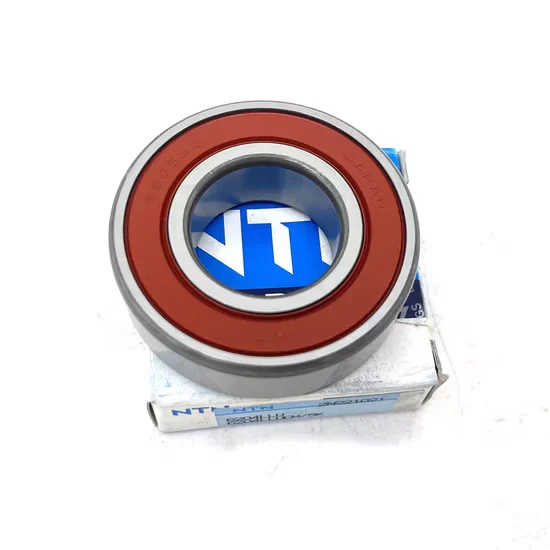 Deep Groove Ball Bearings
X&S 6000 Deep Groove Ball Bearing for Auto Wholesale Supplier
View product details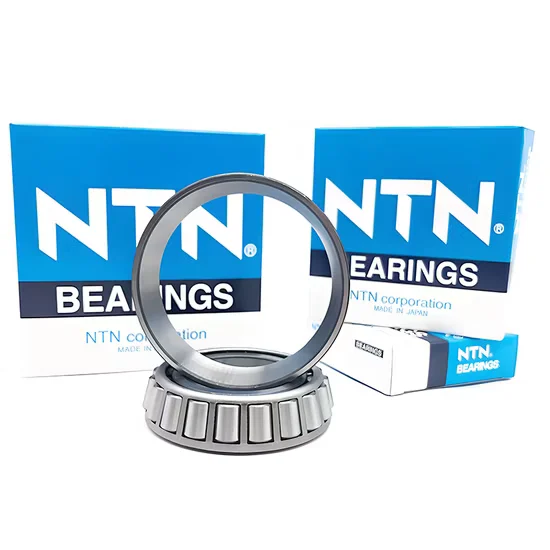 Tapered Roller Bearings
Genuine NTN 32004 32005 32006 32007 Tapered Roller Bearing Wholesale Supplier
View product details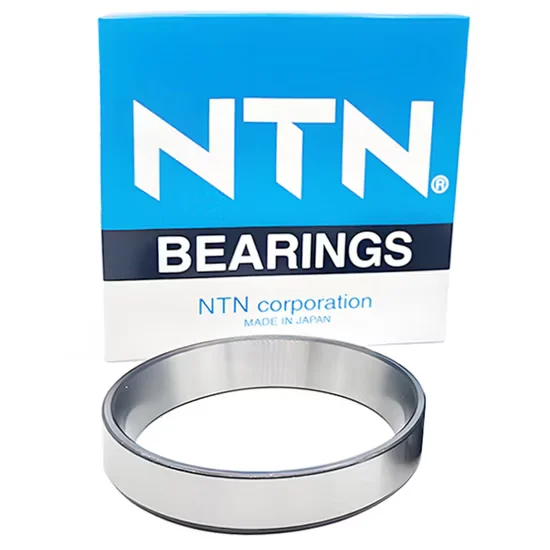 Tapered Roller Bearings
NTN 30216 Tapered Roller Bearing Genuine Original Wholesale Supplier
View product details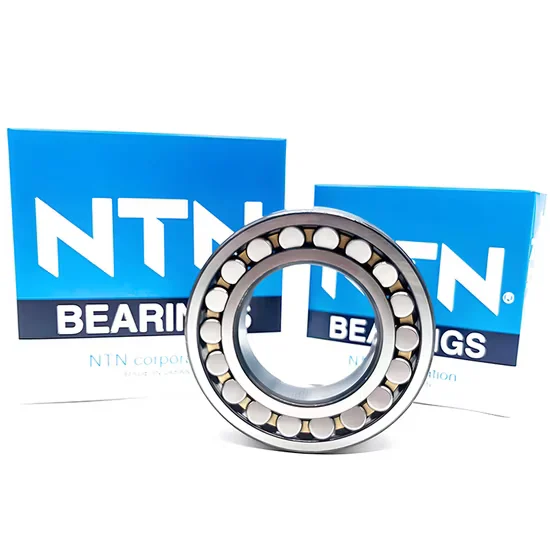 Spherical Roller Bearings