
CV Joint Click Diagnosis: Genuine Bearing Wholesale Supplier for Bulk Orders
Clicking is rarely just dry grease. It is often the acoustic signature of micro-pitting caused by substandard bearing steel failing under lateral load.
Diagnosing a CV joint click requires a systematic inspection of boot integrity and internal bearing wear, followed by sourcing genuine, high-tolerance bearings to eliminate recurring failures. Most premature returns stem not from installation error, but from the use of replacement kits containing bearings that lack the precise dimensional tolerances and material purity required for constant velocity applications.
I still remember the stack of customs declaration forms on my desk in Dongguan, each one representing a return shipment from Latin America. The cargo was identical: boxes of CV joint assemblies that had failed within months of installation. The local distributors were furious, citing the familiar "click-click-click" noise during turns that plagued their fleet clients. At the time, I handled the paperwork, watching the financial bleed as we processed claims for goods that looked perfect on the outside but were hollow on the inside. The root cause was never the assembly process; it was the bearing core. Cheap manufacturers had substituted standard carbon steel for the specialized alloy required to handle the complex angular movements of a CV joint. That experience shifted my focus from simple logistics to technical diagnostics. Now, when I consult with buyers, I do not just check part numbers. I listen to the failure mode. A click during a lock-to-lock turn is a specific mechanical complaint that points directly to the internal bearing raceway, not the outer housing.
Understanding this distinction is critical for any CV Joint Click Diagnosis strategy. If you replace the entire assembly with another low-quality unit, the noise will return. The solution lies in identifying the specific bearing failure and replacing it with a verified, genuine component that meets OEM specifications.
What Causes CV Joint Clicking During Turns?
The sound is metal-on-metal contact resulting from clearance loss in the bearing cage.
When a vehicle turns, the CV joint must transmit torque while accommodating significant changes in angle. This places immense stress on the internal bearings. In a healthy joint, these bearings roll smoothly within their races, separated by a thick layer of high-pressure grease. When clicking occurs, it indicates that the rolling elements are no longer maintaining proper contact or are skipping over surface imperfections.
The primary culprit is often internal bearing wear exacerbated by lubrication loss. However, many technicians assume that repacking the joint with fresh grease will solve the problem. This is a misconception. If the bearing steel has suffered from micro-pitting—a phenomenon where tiny fragments of metal break away from the raceway due to fatigue or contamination—grease cannot fill the voids. The balls or rollers will drop into these pits under load, creating the characteristic click.
Another frequent cause is boot integrity failure. The rubber boot seals the grease inside and keeps contaminants out. Once a boot tears, water and abrasive road grit enter the joint. This mixture acts as a lapping compound, accelerating wear on the bearing surfaces. In humid climates or regions with heavy road salt, this degradation happens rapidly. I have seen joints from coastal areas where the bearing cages were completely corroded, not because of poor driving, but because the boot material lacked the necessary ozone and chemical resistance.
| Failure Indicator | Likely Root Cause | Bearing Condition |
|---|---|---|
| Clicking only during acceleration | Inner joint wear | Raceway pitting |
| Clicking during tight turns | Outer joint wear | Cage deformation |
| Grinding noise | Complete lubrication loss | Severe scoring |
| Vibration at speed | Imbalance due to wear | Uneven material loss |
Selecting the right replacement requires understanding these mechanisms. A CV Joint Click Diagnosis that stops at "bad joint" misses the opportunity to specify a bearing with superior seal compatibility and higher fatigue resistance. For distributors, this means stocking kits that use bearings from reputable manufacturers who control their steel quality, rather than generic alternatives that may look identical but fail under similar stress.
Step-by-Step CV Joint Diagnosis Process
Follow a strict visual, physical, and road-test sequence to isolate the fault.
Misdiagnosis leads to wasted parts and customer dissatisfaction. A structured approach ensures that the click is indeed coming from the CV joint and not from a wheel bearing or suspension component.
- Visual Inspection of Boot Integrity: Lift the vehicle and inspect the CV boots for cracks, tears, or grease leakage. A compromised boot is a strong indicator that internal contamination has occurred. If grease is splattered on the surrounding chassis, the joint has likely been running dry or with abrasive contaminants for some time.
- Rotational Play Measurement: With the vehicle lifted, grasp the drive shaft near the joint. Attempt to rotate it back and forth while holding the wheel stationary. Excessive play suggests worn internal bearings or a damaged cage. Compare this feel to the opposite side of the vehicle. A noticeable difference in resistance or looseness points to the faulty unit.
- Acoustic Analysis During Lock-to-Lock Turns: This is the definitive test. Drive the vehicle in a safe, open area. Turn the steering wheel fully to one side and accelerate gently. Listen for a rhythmic clicking sound. Repeat on the other side. The click should synchronize with the rotation of the wheel. If the noise persists when driving straight, it may be a wheel bearing issue, not a CV joint.
- Check for Axial Movement: Pull and push the axle shaft axially. Some movement is normal, but excessive axial play can indicate that the internal retaining clips or bearing cages are worn. This is common in high-mileage fleets where the joints have undergone millions of cycles.
During my early years handling exports, I received photos from a repair shop in the Middle East showing a "new" joint that clicked immediately after installation. They had skipped the play measurement and assumed the part was defective. Upon review, we found that the hub nut had not been torqued to specification, allowing the entire assembly to shift. However, in many other cases, the play was real, caused by inferior bearings that had worn down within weeks. A proper CV Joint Click Diagnosis eliminates these variables by confirming the mechanical state before any parts are ordered.
Common Misdiagnoses to Avoid
Not every clicking noise originates from the constant velocity joint.
Confusing CV joint noises with other drivetrain or suspension issues leads to unnecessary replacements and unresolved customer complaints. Differentiating these sounds requires attention to when and how the noise occurs.
Wheel bearing hum is often mistaken for CV joint clicking, especially by less experienced technicians. A failing wheel bearing typically produces a continuous humming or growling noise that increases with vehicle speed. It does not usually click rhythmically during turns. However, if a wheel bearing is severely worn, it can cause enough wheel wobble to stress the CV joint, leading to secondary damage. In such cases, replacing only the CV joint will not fix the problem. The root cause—the bearing—must be addressed first.
Tire noise is another common distractor. Cupped or unevenly worn tires can produce a rhythmic thumping or clicking sound that mimics a drivetrain issue. This noise often changes with road surface and speed but does not correlate with steering angle. A simple tire rotation can help identify if the noise moves with the tire. If it does, the CV joint is likely innocent.
Suspension bushings and ball joints can also create clunking noises during turns or over bumps. These sounds are typically duller and less rhythmic than the sharp click of a CV joint. Inspecting suspension components for wear and tear is a crucial step in the diagnostic process. If the suspension is loose, it can alter the operating angle of the CV joint, accelerating wear. Therefore, a holistic view of the front end is necessary.
| Noise Type | Trigger Condition | Likely Source |
|---|---|---|
| Rhythmic Click | Turning under load | CV Joint |
| Continuous Hum | Increasing speed | Wheel Bearing |
| Thumping | Rough roads | Tire/Suspension |
| Clunk | Over bumps | Suspension Bushings |
For a CV Joint Click Diagnosis, ruling out these alternatives saves time and money. It ensures that the replacement bearing selected is actually needed and that the underlying conditions causing the failure are addressed. This precision is what separates professional workshops from those that rely on guesswork.
How to Select the Right Replacement Bearings
Prioritize genuine traceability and precise tolerances over cheap alternatives.
Once the diagnosis confirms a CV joint failure, the selection of the replacement bearing is critical. The market is flooded with aftermarket kits that vary wildly in quality. Many of these kits use bearings that meet basic dimensional requirements but fail in terms of material purity and heat treatment.
Genuine bearings from established manufacturers undergo rigorous quality control. They use high-carbon chromium steel that is vacuum-degassed to remove impurities, reducing the risk of micro-pitting. The heat treatment process is carefully controlled to ensure a hard surface for wear resistance while maintaining a tough core to prevent cracking. In contrast, lower-quality bearings may have inconsistent hardness, leading to premature deformation under load.
Traceability is another key factor. Reputable suppliers provide documentation that tracks the bearing back to its production batch. This allows for accountability if a defect is discovered. For distributors serving fleets or large repair networks, this documentation is essential for managing warranty claims. Without it, a single batch of faulty bearings can damage a business’s reputation.
When sourcing, look for suppliers who offer technical support and cross-brand equivalence consultation. A reliable partner can help identify the exact bearing specification needed for a particular vehicle model, ensuring compatibility and performance. They should also provide mixed-brand options to suit different budget levels without compromising on core quality. For instance, offering both premium European brands and reliable domestic lines allows customers to choose based on their specific needs.
In my current role, I emphasize the importance of sourcing from a CV Joint Click Diagnosis informed perspective. We do not just sell boxes; we provide solutions that prevent recurrence. By stocking genuine multi-brand CV joint bearing inventory, we ensure that our clients have access to components that meet the highest standards. This approach reduces warranty claims and builds long-term trust with end-users. Whether you are consolidating a container for a distributor in Southeast Asia or fulfilling an urgent order for a mine site in Africa, the quality of the bearing determines the success of the repair.
Conclusion
Accurate diagnosis prevents repeat failures.
A clicking CV joint is a symptom of internal bearing wear, often accelerated by contamination or substandard materials. Systematic inspection and the use of genuine, high-tolerance bearings are essential for lasting repairs. Distributors and workshops that prioritize quality and traceability will see fewer returns and higher customer satisfaction.
In this article
NTN bearings mentioned in this article
Open each product to compare its series and category with the position on your list.
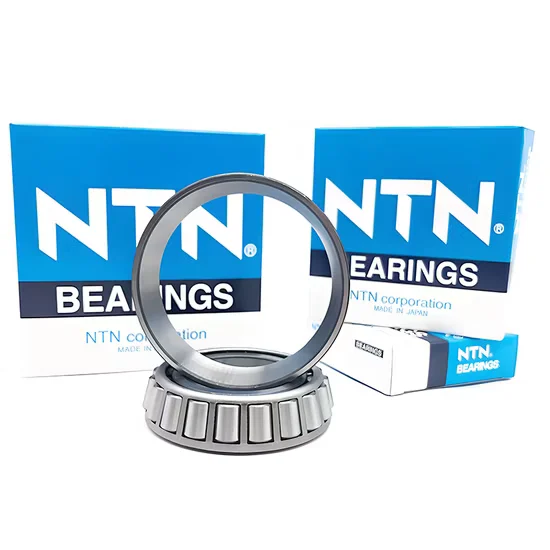 Tapered Roller Bearings
Genuine NTN 32004 32005 32006 32007 Tapered Roller Bearing Wholesale Supplier
View product details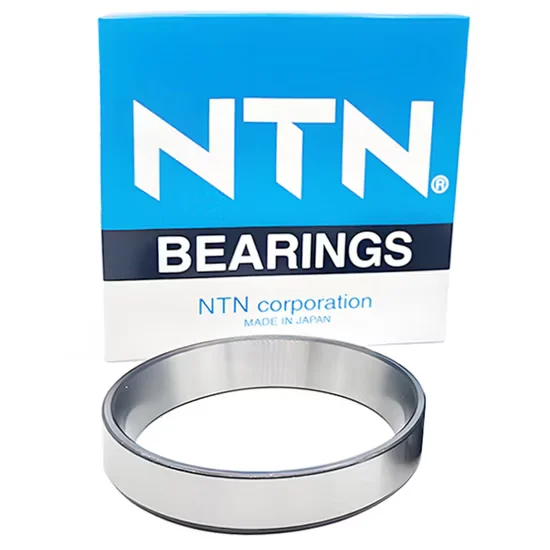 Tapered Roller Bearings
NTN 30216 Tapered Roller Bearing Genuine Original Wholesale Supplier
View product details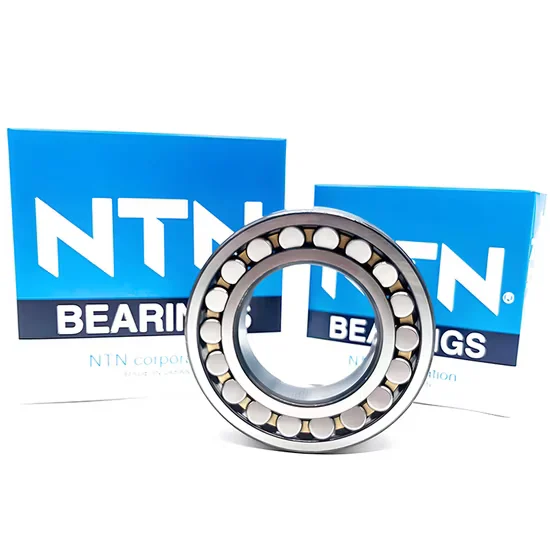 Spherical Roller Bearings
Genuine NTN 21310 21311 21312 Spherical Roller Bearing Wholesale Supplier
View product details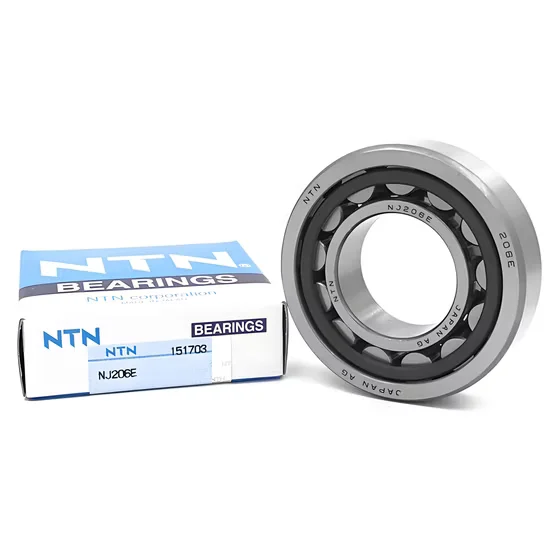 Cylindrical Roller Bearings
Genuine NTN N2305em Cylindrical Roller Bearing Wholesale Supplier
View product detailsRelated applications
See how this topic connects to gearbox and heavy-drive service.