
The lowest unit price is often the most expensive line item on your invoice.
Sourcing CV joints for front-wheel-drive cars requires strict focus on material quality and anti-rust packaging to prevent transit failures and ensure longevity. For automotive aftermarket distributors, the core challenge is not finding a supplier, but verifying that the steel hardness and surface protection can survive long-haul ocean freight without degrading into unsellable inventory.
I still remember the humidity in Buenos Aires. It was thick enough to taste. I had coordinated a shipment of constant velocity joints for a regional distributor, opting for a factory that offered a marginal cost reduction per unit. The components looked pristine when they left the warehouse in Ningbo. Forty days later, when the container doors opened in Argentina, the smell hit first. It was not the sharp scent of fresh metal or protective oil, but the dull, earthy odor of oxidation. Every bell housing and tripod joint was coated in a fine layer of yellow-brown rust. The anti-rust oil had volatilized during the tropical crossing, leaving the steel vulnerable to the saline air. That single container did not just represent a loss of goods; it represented a mid-six-figure loss in logistics, customs duties, and client trust. I learned then that in the world of CV joints in front-wheel-drive cars, the distance between profit and disaster is measured in microns of coating and degrees of steel purity.
This experience reshaped how I evaluate supply chains. It is no longer about who can quote the lowest FOB price. It is about who understands that a CV joint is a precision mechanical component that must remain chemically inert until it reaches the end user’s workshop. When you are looking for a front-wheel drive CV joint wholesale partner, you are buying insurance against failure as much as you are buying hardware.
Why Do CV Joints Fail Prematurely in FWD Applications?
Material flaws and poor rust protection accelerate wear under high torque.
Front-wheel-drive vehicles place unique stress on drivetrain components. Unlike rear-wheel-drive setups where the differential handles the primary torque conversion, FWD systems rely on CV joints to transmit power while accommodating the steep angles of suspension movement. This dual demand means that any microscopic imperfection in the steel or the heat treatment process becomes a focal point for fatigue.
A common misconception among buyers is that CV joint failure is purely a mechanical issue caused by driver abuse or lack of lubrication. In reality, the root cause is often poor factory rust-proofing leading to micro-pitting. When a joint sits in a warehouse or a shipping container, humidity penetrates inadequate packaging. This causes superficial corrosion that may look harmless to the naked eye. However, once the vehicle is in motion, these tiny pits act as stress concentrators. Under the high-torque loads typical of modern turbocharged FWD engines, cracks initiate at these points and propagate rapidly through the raceway.
I have seen batches where the steel grade was technically correct on paper, but the internal inclusion density was too high. These impurities create weak spots within the metal matrix. When subjected to the cyclic loading of a daily commute, the material fails far earlier than its design life.
For a CV joint bearing supplier, controlling this variable means going beyond basic material certificates. It requires verifying the cleanliness of the steel melt and the consistency of the carburizing process. If the surface hardness is not uniform, the joint will wear unevenly, leading to vibration and eventual seizure. Buyers must understand that a slightly higher initial cost for verified material quality translates to significantly lower warranty claims and return rates. The goal is to ensure that the automotive CV joint rust prevention measures are robust enough to keep the metal pristine until installation, preserving the integrity of the hardened surface.
How to Verify Steel Quality and Manufacturing Standards?
Always request material certs and hardness test reports before bulk orders.
Verifying the quality of CV joints requires a systematic approach that goes beyond visual inspection. You cannot determine the metallurgical integrity of a component by looking at its finish. Instead, you must rely on documented evidence and standardized testing protocols. The first step is to demand full traceability documentation for the steel used in production. This includes mill certificates that specify the chemical composition and the heat treatment batch numbers.
Steel hardness is a critical parameter. For CV joints, the raceways and balls must achieve a specific hardness range to resist wear while maintaining enough toughness to avoid brittle fracture. Typically, this involves a carburizing and quenching process that creates a hard outer layer over a tougher core. However, without proper testing, it is impossible to know if the factory has achieved the desired depth of case hardness.
When evaluating a potential partner, ask for their internal quality control records. Look for evidence of regular batch testing using Rockwell hardness testers. A reliable manufacturer will have data showing the distribution of hardness values across a production run, not just a single pass/fail result. This demonstrates a commitment to process control rather than just final inspection.
| Quality Indicator | Basic Supplier | Verified Quality Partner |
|---|---|---|
| Material Certification | Self-declared or generic | Mill-specific with batch traceability |
| Hardness Testing | Spot check on finished goods | Regular batch-level statistical sampling |
| Surface Finish | Visual inspection only | Profilometer measurements for roughness |
| Rust Prevention | Standard oil spray | Vacuum-sealed with desiccant |
Another key aspect is the dimensional accuracy of the splines and the bore. If these are not machined to precise tolerances, the joint will not seat correctly on the axle shaft, leading to slippage and damage. High-precision machining centers are essential for maintaining these tolerances consistently.
By focusing on these verifiable metrics, you can distinguish between suppliers who cut corners and those who invest in quality. This diligence is crucial when sourcing CV joints in front-wheel-drive cars, as the consequences of substandard materials are immediate and costly.
What Are the Best Practices for Ocean Freight Rust Prevention?
Proper anti-rust oil and vacuum packaging are non-negotiable for long transit.
Ocean freight is a hostile environment for untreated steel. The combination of high humidity, temperature fluctuations, and saline air creates perfect conditions for rapid corrosion. For automotive parts like CV joints, which have large surface areas and complex geometries, protecting every nook and cranny is a significant challenge.
The most effective method I have encountered involves a multi-layered approach. First, the components must be cleaned thoroughly to remove any machining fluids or contaminants that could trap moisture. Then, a high-quality anti-rust oil is applied. However, not all oils are created equal. Some evaporate quickly or become sticky and attract dust, which can abrade the surface. The ideal oil should have low volatility and strong displacement properties to push out any residual moisture.
After oiling, the parts should be wrapped in VCI (Vapor Corrosion Inhibitor) paper. This paper releases microscopic amounts of inhibitor that settle on the metal surface, providing an additional layer of protection even if the oil film is compromised. Finally, the components are placed in vacuum-sealed bags with desiccant packs. This removes the oxygen and moisture from the immediate environment around the part, effectively halting the oxidation process.
I once worked with a manufacturer who skipped the vacuum sealing step to save on packaging costs. They argued that the VCI paper was sufficient. Within three weeks of departure, the humidity inside the container rose dramatically due to a minor leak in the hatch cover. The VCI paper became saturated, and the rust spread rapidly. The entire shipment was rejected upon arrival. This incident reinforced my belief that redundancy is key. You cannot rely on a single method to protect your inventory during a six-week sea voyage.
For wholesalers dealing with front-wheel drive CV joint wholesale volumes, investing in proper packaging is not an expense; it is a safeguard. It ensures that the product arrives in saleable condition, ready for immediate distribution to repair shops. Neglecting this step can lead to massive losses and damage to your reputation in the market.
How to Optimize Sourcing Costs Without Compromising Quality?
Balance unit price with strict factory audits and consolidated shipping.
Cost optimization in the automotive aftermarket is often misunderstood as simply negotiating the lowest possible unit price. In reality, true cost efficiency comes from minimizing total landed cost, which includes logistics, duties, waste, and returns. One effective strategy is to consolidate shipments from multiple sources or product lines into a single container. This reduces the per-unit shipping cost and simplifies customs clearance.
However, consolidation requires careful planning. Mixing different types of CV joints or combining them with other automotive parts requires a supplier who can manage complex inventory and packaging requirements. They must ensure that heavier items do not crush lighter ones and that incompatible materials are separated to prevent galvanic corrosion.
Another area for optimization is the order frequency. Placing larger, less frequent orders can reduce administrative overhead and shipping costs. But this increases the risk of holding excess inventory. The solution is to work with a supplier who offers flexible MOQs and reliable lead times. This allows you to maintain lean inventory levels while ensuring you never stock out of high-turnover items.
I have found that building a long-term relationship with a single, reliable CV joint bearing supplier is more cost-effective than constantly shopping around for the lowest bid. A trusted partner understands your specific market needs, can provide technical support, and is more likely to prioritize your orders during peak seasons. They can also offer insights into emerging trends and help you adjust your product mix accordingly.
Additionally, consider the value of technical support. A supplier who can help you select the right CV joint for specific vehicle models can reduce the rate of incorrect orders and returns. This service adds significant value beyond the physical product, saving time and money for your sales team and customers.
Conclusion
Quality and protection define the true value of your inventory.
Sourcing CV joints for front-wheel-drive vehicles is a balancing act between cost, quality, and risk management. By focusing on material verification, robust rust prevention, and strategic logistics, you can build a supply chain that delivers consistent value. Remember that the cheapest option often carries the highest hidden costs. Prioritize partners who demonstrate transparency in their manufacturing processes and commitment to protecting their products during transit. This approach ensures that your business remains profitable and reputable in the competitive automotive aftermarket.
In this article
NTN bearings mentioned in this article
Open each product to compare its series and category with the position on your list.
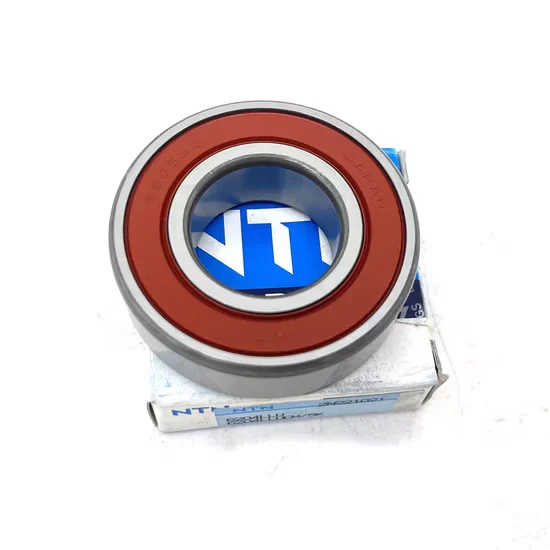 Deep Groove Ball Bearings
X&S 6000 Deep Groove Ball Bearing for Auto Wholesale Supplier
View product details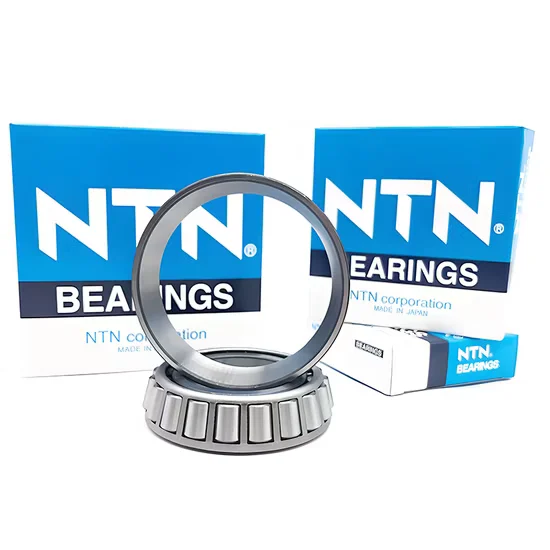 Tapered Roller Bearings
Genuine NTN 32004 32005 32006 32007 Tapered Roller Bearing Wholesale Supplier
View product details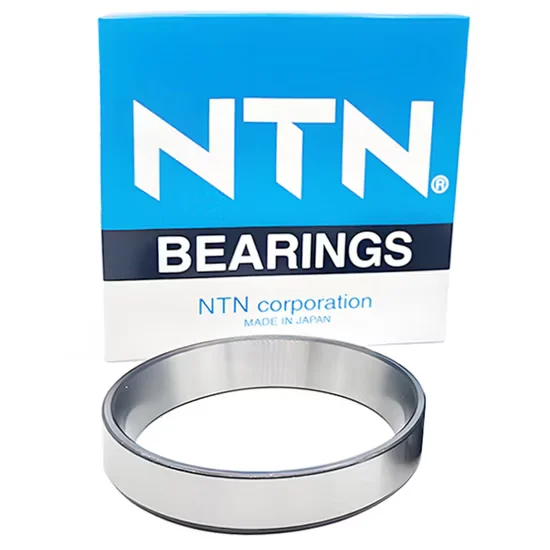 Tapered Roller Bearings
NTN 30216 Tapered Roller Bearing Genuine Original Wholesale Supplier
View product details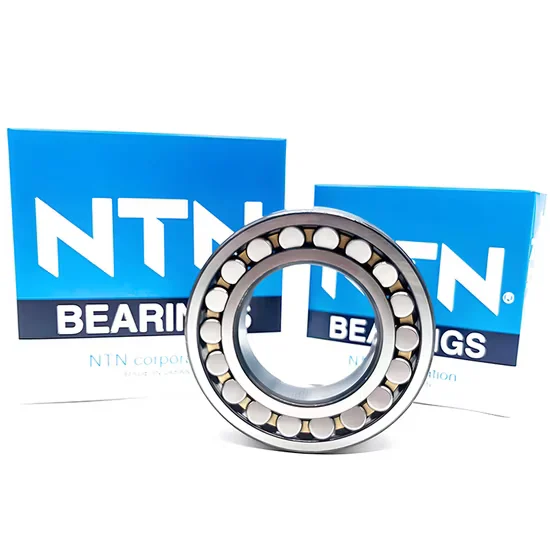 Spherical Roller Bearings