
Pulley Bearings in Belt Drives: Wholesale Supplier for Bulk Orders
Most belt drive failures are not caused by load, but by supply chain friction.
For reliable pulley bearings in belt drives, selection must prioritize misalignment tolerance and environmental sealing over simple load capacity, while mixed-brand bulk sourcing requires rigorous HS code mapping and carton marking to prevent customs detention.
I still remember the humidity in Santos. It was not the heat that made me sweat, but the stack of demurrage notices piling up on my desk. A client in Brazil had ordered a container of pulley bearings in belt drives for a mining conveyor overhaul. The mix included premium European brands and reliable domestic Chinese lines. Technically, the bearings were perfect. Logistically, it was a disaster. The customs broker could not distinguish the SKUs because the outer cartons lacked detailed brand breakdowns, and the commercial invoice used a generic HS code. The cargo sat for weeks. That experience rewired how I approach every bulk order. Now, when I coordinate pulley bearings in belt drives for distributors across Latin America or the Middle East, the packing list is as critical as the bearing steel itself.
The transition from single-brand procurement to mixed-brand consolidation is a natural evolution for mature MRO operators. It offers cost efficiency and availability. However, it introduces complexity that many overlook until the ship arrives at the port. Understanding the technical nuances of bearing selection is only half the battle; mastering the documentation logic is the other.
Why Do Pulley Bearings Fail in Belt Drives?
Misalignment and contamination are the silent killers, not just radial load.
Engineers often overspecify load ratings while neglecting alignment tolerances. In long-distance belt drives, shaft deflection is inevitable. If the bearing cannot accommodate this angular misalignment, edge loading occurs, leading to premature fatigue. This is why spherical roller bearings often outlast deep groove ball bearings in heavy-duty conveyor applications, even if the static load rating appears similar on paper.
Environmental factors play an equally destructive role. In agricultural or mining settings, dust and moisture penetrate standard seals. Once contaminants enter the raceway, the lubricant degrades, and abrasive wear accelerates. I have seen cases where upgrading to bearings with enhanced sealing structures extended service life meaningfully, despite no change in operational load. The failure is rarely sudden; it is a gradual degradation that starts with poor selection.
The root cause analysis often points to installation errors or inadequate sealing rather than material defects. When sourcing pulley bearings in belt drives, buyers must verify that the selected type matches the specific misalignment and contamination profile of the application. Ignoring these factors leads to frequent replacements and unplanned downtime, which costs far more than the initial savings from choosing a cheaper, less suitable option.
Deep Groove vs. Spherical Roller: Which Fits Your Belt Drive?
Choose based on alignment tolerance and environmental severity, not just price.
Selecting the right bearing type requires a clear understanding of operating conditions. Deep groove ball bearings are versatile and cost-effective for high-speed, low-misalignment applications. Spherical roller bearings, however, excel in heavy-load, high-misalignment scenarios typical of large conveyor systems. The following matrix helps clarify the selection criteria for pulley bearings in belt drives.
| Feature | Deep Groove Ball Bearing | Spherical Roller Bearing |
|---|---|---|
| Misalignment Tolerance | Low | High |
| Load Capacity | Moderate | High |
| Speed Capability | High | Moderate |
| Sealing Options | Standard to Enhanced | Robust Industrial Seals |
| Cost Efficiency | High | Moderate |
| Ideal Application | Light conveyors, fans, pumps | Heavy mining conveyors, crushers |
A case from a cement plant in Southeast Asia illustrates this well. They initially used deep groove bearings on their main conveyor pulleys to cut costs. Within months, frequent failures occurred due to shaft deflection under heavy material loads. Switching to spherical roller bearings resolved the issue, as the self-aligning capability compensated for the structural flex. The initial higher cost was offset by the reduced frequency of maintenance stops.
When evaluating pulley bearings in belt drives, consider the entire system dynamics. If the shaft is long or prone to thermal expansion, the self-aligning feature of spherical rollers becomes non-negotiable. For shorter, rigid setups with clean environments, deep groove bearings remain a solid choice. The key is matching the bearing’s mechanical characteristics to the real-world stresses it will face.
The Hidden Risk in Mixed-Brand Sourcing
Poor packing and HS code errors cause more downtime than bearing defects.
Sourcing from multiple brands allows distributors to optimize inventory costs and meet diverse customer preferences. However, mixing brands like SKF, FAG, and domestic Chinese lines in a single shipment creates logistical vulnerabilities. Customs authorities require precise classification. Using a broad HS code for a mixed container can trigger inspections, leading to delays.
I recall a shipment destined for a Middle Eastern distributor. The container held hundreds of SKUs of pulley bearings in belt drives. The packing list was accurate, but the outer cartons were marked only with generic descriptions. Upon arrival, the local customs team could not verify the origin of each pallet without unpacking the entire container. The resulting delay incurred storage fees that nearly erased the margin on the order. This was not a product failure; it was a documentation failure.
To mitigate this risk, every carton in a mixed-brand shipment must carry clear, detailed marks indicating the brand, model, and quantity inside. The commercial invoice must map each SKU to its correct HS code, especially when different brands might have slight variations in classification depending on local regulations. Transparency in packing prevents suspicion and speeds up clearance.
Buyers should demand this level of detail from their suppliers. It is not just about convenience; it is about protecting the supply chain. When sourcing pulley bearings in belt drives in bulk, the clarity of the paperwork is as important as the quality of the steel. A well-documented shipment moves through ports smoothly, ensuring that maintenance schedules are met without interruption.
How to Secure Your Bulk Bearing Orders
Strict marking and documentation logic prevent port delays.
Securing a bulk order involves more than placing a purchase request. It requires a proactive approach to logistics and compliance. For distributors managing large inventories of pulley bearings in belt drives, establishing a standardized protocol for mixed-brand shipments is essential. This protocol should include pre-shipment inspection of packaging marks and verification of HS codes against the latest tariff schedules.
Start by requesting a detailed packing plan before production or consolidation begins. Ensure that each brand’s products are segregated or clearly identified within mixed pallets. Ask for photos of the loaded container to verify that labels are visible and accurate. This step catches errors before the ship leaves the port. Next, review the commercial invoice and certificate of origin. Ensure that the description matches the physical goods exactly. Discrepancies here are the most common cause of customs holds.
Technical support is also part of security. Verify that the supplier provides traceability documents for genuine brands. Counterfeit bearings are a risk in the global market, and having full documentation protects your reputation with end-users. When you source pulley bearings in belt drives from a reliable partner, they should offer cross-brand equivalent consultation to ensure that substitutions do not compromise performance.
Finally, maintain open communication with your freight forwarder. They can provide insights into specific port requirements in your region. Some ports are stricter about wooden pallet treatments or packaging materials. Aligning your supplier’s packing standards with these local requirements avoids last-minute surprises. By treating logistics as an integral part of the procurement process, you ensure that your pulley bearings in belt drives arrive ready for immediate use, not stuck in a customs yard.
Conclusion
Reliability in belt drives depends on precise selection and flawless logistics.
Choosing the right bearing type addresses mechanical needs, while rigorous documentation secures the supply chain. Mixed-brand sourcing offers flexibility but demands attention to detail in packing and classification. By prioritizing both technical suitability and logistical compliance, distributors can minimize downtime and maximize value.
In this article
NTN bearings mentioned in this article
Open each product to compare its series and category with the position on your list.
 Deep Groove Ball Bearings
X&S 6000 Deep Groove Ball Bearing for Auto Wholesale Supplier
View product details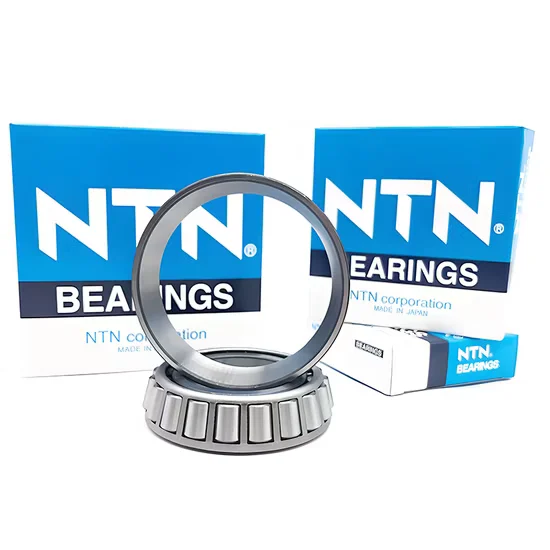 Tapered Roller Bearings
Genuine NTN 32004 32005 32006 32007 Tapered Roller Bearing Wholesale Supplier
View product details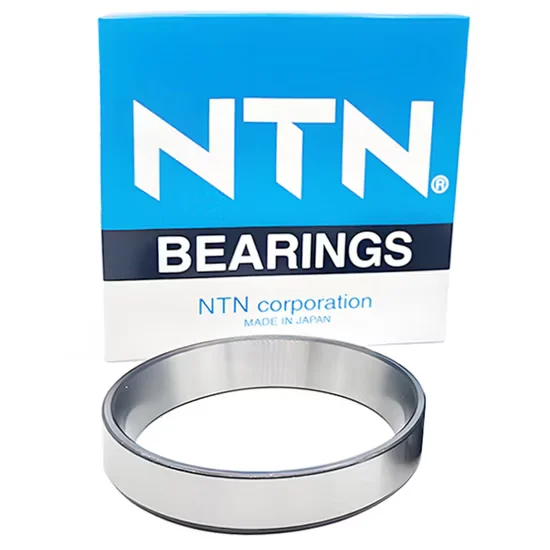 Tapered Roller Bearings
NTN 30216 Tapered Roller Bearing Genuine Original Wholesale Supplier
View product details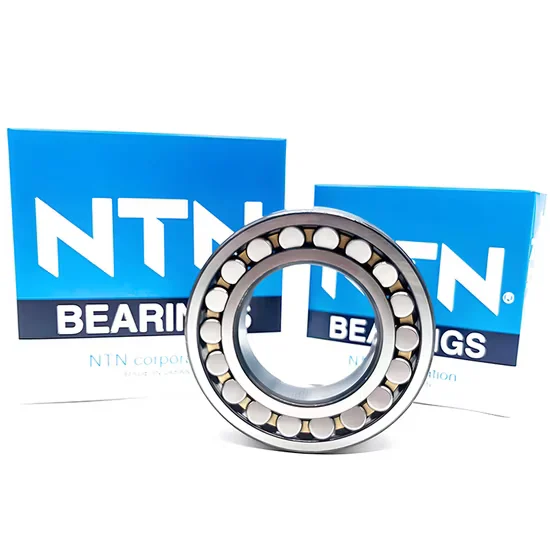 Spherical Roller Bearings
Genuine NTN 21310 21311 21312 Spherical Roller Bearing Wholesale Supplier
View product detailsRelated applications
See how this topic connects to gearbox and heavy-drive service.